Category Archives: The Northern Neck and Beyond

FLL in 2012 – Cast your vote for Francis Lightfoot Lee

Tired of presidential candidates? Weary of the “approved messages” bombarding you from television ads? Longing for a fresh face to breathe hope into our political melee?

You are in luck. Frank has cast his hat into the political arena and is looking for your vote.

In this Presidential Election year, we thought it might be fun, educational and enlightening to examine the life of this 18th-century “politician” to see how he stands up to today’s candidates in character, record and opinion (both about
him and by him).

What Kind of Man Was Francis Lightfoot Lee?

Francis Lightfoot Lee is what one might call a “forgotten revolutionary.” Described by his niece as the “sweetest of all the Lee race” and as possessing a temper “as soft as the dove’s,” Lee, his memory now nearly hidden beneath the rubble of his Virginia mansion, had a life that was “most useful and worthy,” the life of a patriot of the American Revolution.

With thirty years of an active political life, a life in which he opposed British measures, sought independence, and served the nation through a number of committees as a member of the Virginia House of Burgesses, the Second Continental Congress, and the Virginia State Senate. Lee was certainly not an “inconspicuous” man, nor was he merely “soft as a dove.” Rather, Lee was a true patriot, not only according to standards held by his contemporaries, but also to his own.


Is Frank Lee the kind of man that could run for President in 2012? If so, could he win?

Resume

• In 1758, he took his seat as representative of Loudoun County to the Virginia House of Burgesses, having moved there to maintain his lands inherited from his father.

• He became an opponent to taxation without representation and other British offenses, which he protested not only through personal letters, but also in signing his support to important documents, including the Westmoreland Resolves of 1766.

• As a member of a committee appointed to protest British policies toward the colonies in 1768, Lee maintained an active role in opposition to the British.

• Lee continued to serve as a Burgess from Richmond County until elected as a Virginia delegate to the Second Continental Congress in August 1775. He fully supported American Independence throughout most of his political career, signing the Declaration of Independence on July 4, 1776.

• Lee remained a member of Congress until 1779, serving on a variety of committees including the Board of War, Committee of Secret Correspondence, and other ad-hoc committees.

• In 1779, Francis Lightfoot Lee retired from the Second Continental Congress due to the three-year limit that had since been imposed by the Revolutionary Government.

• In 1780, Lee again entered Virginia politics, having been elected to serve as a member of the Virginia Senate, until 1782 when he retired from politics. He did, however, remain interested in the political scene, and is purported to have supported the ratification of the Constitution.

This man’s life-work was so inconspicuous, that his name would now be wholly forgotten, but for one thing- he signed the Declaration of Independence. Yet his life was a most useful and worthy one. It was a good and profitable voyage, though it left no phosphorescent splendors in its wake.

–Mark Twain on Francis Lightfoot Lee, 1877


Character

Not a lot is written about Francis Lightfoot Lee, as he was certainly overshadowed in the political arena by his outspoken older brother, Richard Henry Lee. Yet those that did pause to put their thoughts about him on paper seem to agree that he was a quiet, thoughtful yet passionate man.

Lee has not been granted his proper place in history, for his involvement with the
founding of the country lays not only in his signature on a document, but with thirty years of an active political life, a life in which he opposed British measures, sought
independence, and served the nation through a number of committees as a member of the Virginia House of Burgesses, the Second Continental Congress, and the Virginia State Senate. Lee was certainly not an “inconspicuous” man, nor was he merely “soft as a dove.” Rather, Lee was a true patriot, not only according to standards held by his contemporaries, but also to his own.

He dealt in no shams; he had no ostentations of dress or equipage. He was educated. He was more than that – he was finely cultivated. Mr. Lee defiled himself with no juggling, or wire-pulling, or begging, to acquire a place in the provincial legislature, but went thither when he was called.

–Mark Twain, from the Pennsylvania Magazine of History and Biography, I, no.3, 1877


As for whether or not Francis Lightfoot Lee had “the right stuff” to be a political leader of the 21st century, perhaps his own words shed the greatest light on that question.

This is not the time for men of abilities with good intentions to be only spectators, if we can’t do all the good we cou’d wish, let us at least endeavour to prevent all the mischief in our power.

–Lee to Col. Landon Carter, 21 October, 1775
Women in historic preservation

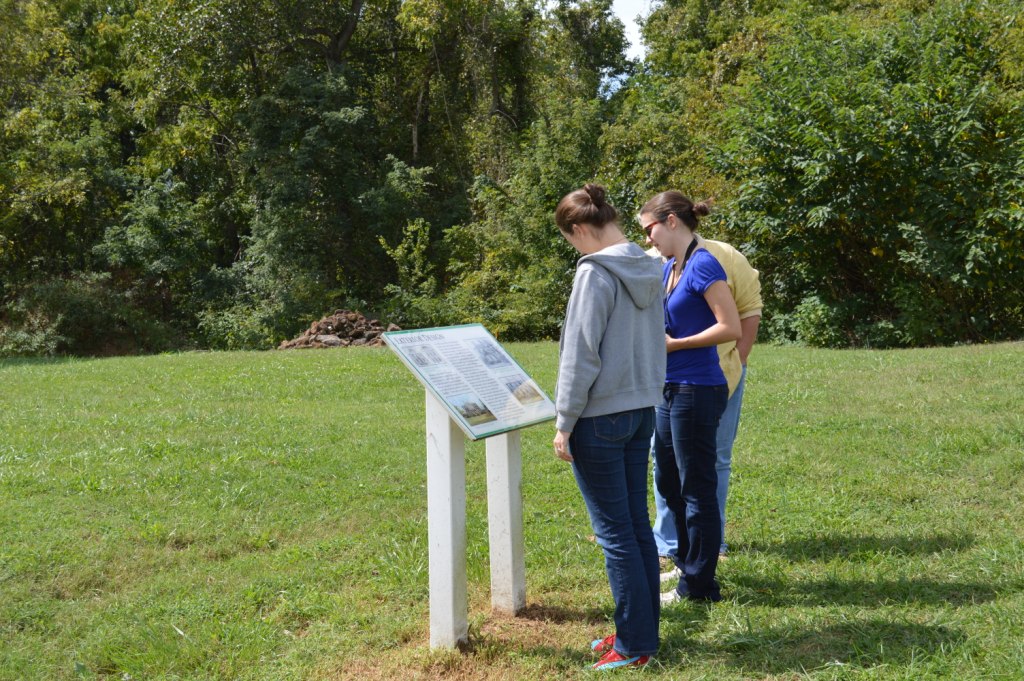
In late September, three women from the National Trust for Historic Preservation paid a visit to Menokin.

Organized by Menokin’s old friend, Katherine Malone-France, formerly of Oak Grove Restoration and currently the Director of Outreach, Education & Support, Historic Sites Department of the National Trust for Historic Preservation, the visit included the following members of the Trust’s technical support team:

  • Ashley Wilson, Graham Gund Architect
    Chief Architect in the Sites Department
  • Rebecca Buntrock, Silman Preservation Engineering Fellow
  • Helena Trueeck, an intern who is developing a teacher institute about deconstruction plantation myths

They were all smart, energized and informed and I was so impressed with the combined knowledge and enthusiasm of the group. It was exciting to see young women crawling around old buildings and knowing as much about construction and engineering as any man! What great role models for that next generation of enthusiasts that we hope to attract.

I wrote to them after their visit and asked them reflect on their visit: why they came, what their expectations were, what their experiences here were, and what they left with.

In true Emily Post fashion, I got the following reply, complete with images, which I now share with you. We hope that you can take this spark of enthusiasm about The Menokin Project and fan it into a flame for yourselves and your friends and colleagues.

In their own words…

Rebecca Buntrock

“Before coming to Menokin, I had looked through the renderings for the proposed glass-house structure around the existing ruin. As a preservation engineer, I was very intrigued by this concept but until I saw the site I didn’t fully grasp its potential, which soon became clear.

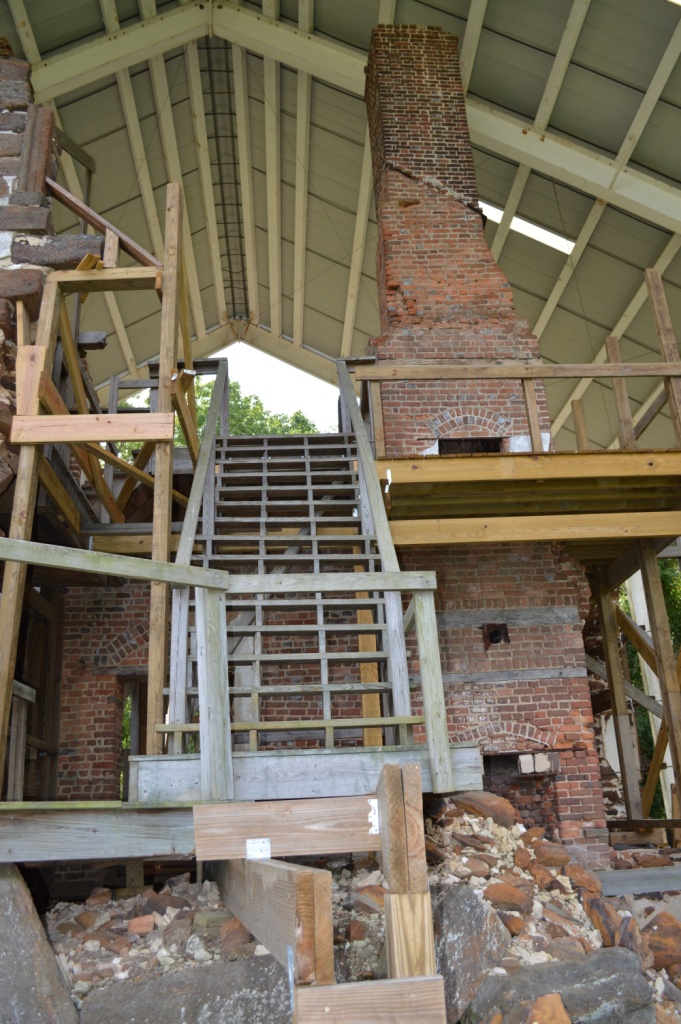
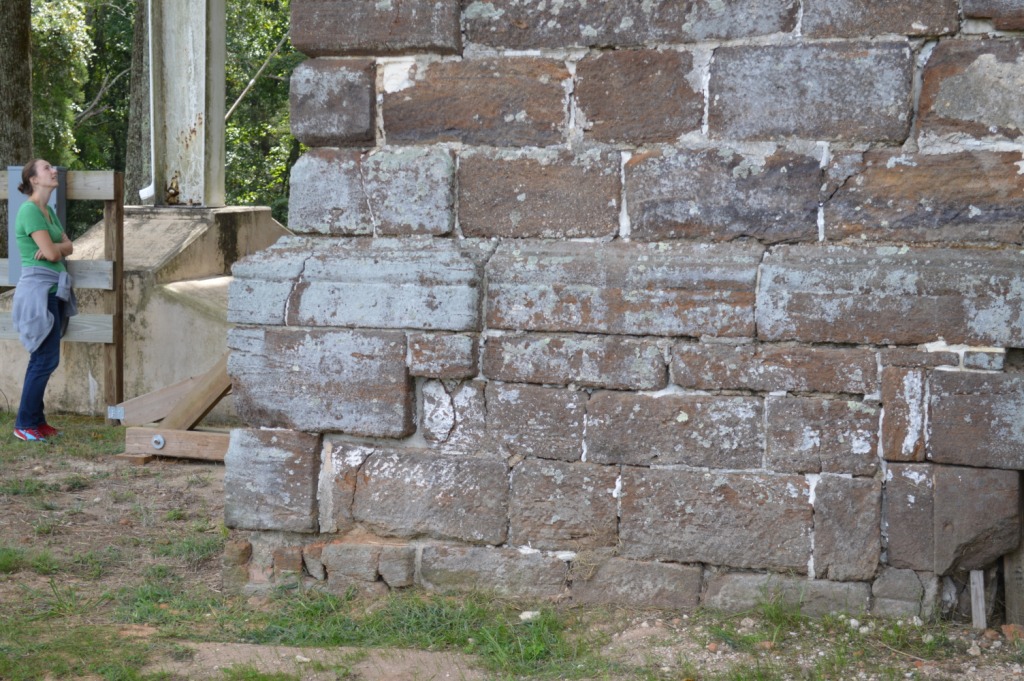
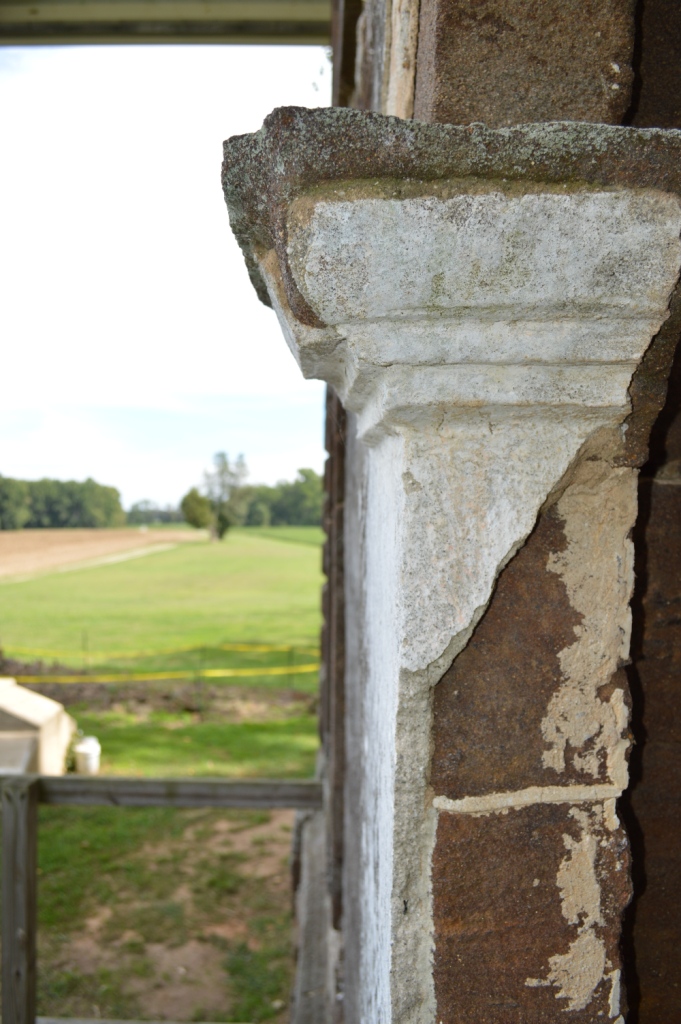
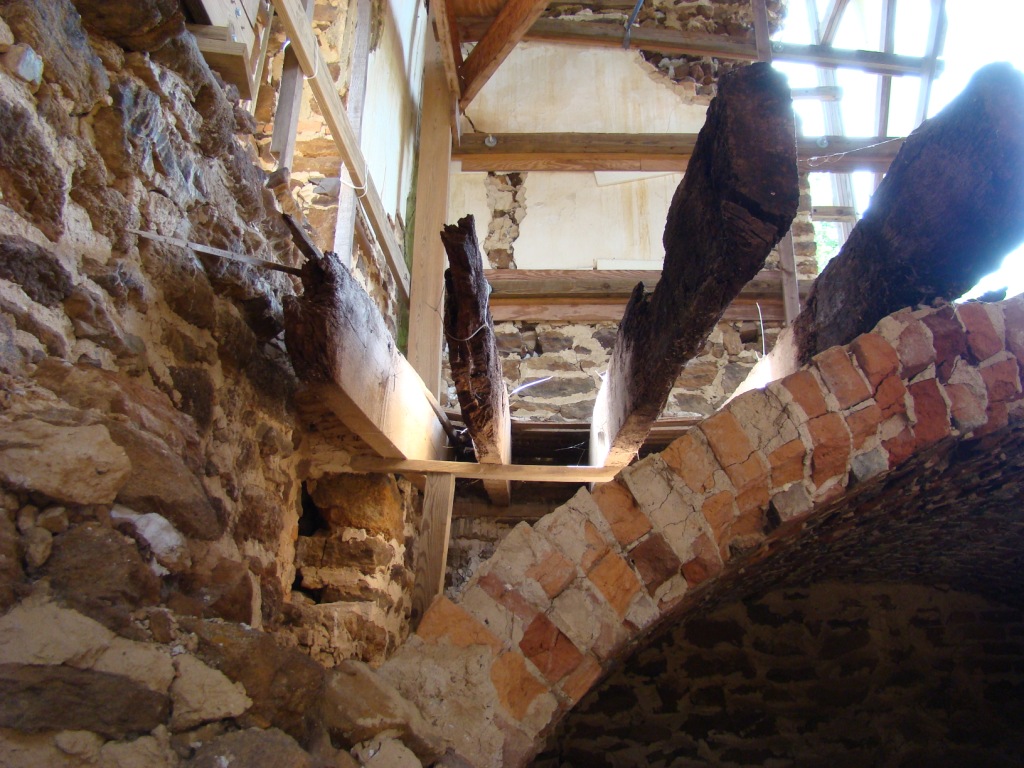
To me, the structure is much more about architecture, exploration, and the experience of seeing a building deconstructed, than it is about the history of Francis Lightfoot Lee. I loved the “tree-house” feel of the wood stairs snaking through what’s left of the building, and the chance to physically see and touch the structure. It’s also a great story regarding how documentation of the building saved part of its history.

If the Machado-Silvetti design is realized, it will serve as the ultimate case-study in architectural innovation, beyond just breaking the mold of the traditional historic house museum. It literally has every component of design challenge, from stabilization of the ruins, to working within an existing building and the construction of a new glass shell. This should be presented at conferences and written about in technical journals, to gain publicity within the industry. It will likely become a “pilgrimage site” for design professionals with the big names on the design team, in particular Eckersley O’Callaghan as the glass consultants.

But the site is also appealing to a much larger audience – people are always very interested in seeing the building components, even if they aren’t architects or engineers. This often seems to be most popular part of many historic sites. There are presently brick and stucco construction mock-ups and classes held in one of the warehouses. It would be great to include the building trades, perhaps in the form of a field school, as part of the site’s development. Katherine and I also discussed possibly starting small, with a mock-up of the proposed curtain wall and steel armature, so people could see the proposed system, and the design team could begin to analyze how it’s going to work. Perhaps a curtain wall manufacturer with a proprietary system would be willing to donate money or materials for this effort.

I left the site thinking about my architecturally-inclined friends that would enjoy seeing the site, and considering when I’d come back. I look forward to seeing where the future leads for this site. I did a blog post on it: http://preservationframeofmind.wordpress.com/2012/09/25/menokin/

Helena Treeck

“Before my visit to Menokin I had familiarized myself with the project through the website and the presentation that includes ideas and renderings of what Menokin will look like after its transformation. However, when I arrived at the site I was expecting to see 2 houses: the one I had seen in the renderings and pictures and one that is used in the logo. I learned soon that there was only one house: The charming ruins from the spectacular renderings. Another reason I came to Menokin was that I had been told that it daringly challenges the traditional house museum form that we are so used to when visiting plantation house museums. This prospect was quite intriguing to me as I am currently working on a project for which I have looked at different plantation museums across the American South.

Menokin is indeed a breath of fresh air. The staff, Sarah and Leslie, are passionate about their idea of preserving the ruin and juxtaposing it with extremely modern architecture. A concept that presents itself to a multitude of ways to interpret this site: The open steel and glass structure that will preserve the ruin will allow the visitor to see preservation in action, take a look right at the guts of the house and be inside and outside at the same time. The experience of being inside this former “big house” can be recreated while conserving the innate charm of its ruin.

As a visitor it is exciting to see the structure of the place and be wandering through it on a little adventure. The building concept is nothing short of brilliant. Little sections that are covered in Plexiglas on one side of the building already give a great idea of what the finished product might look like. The finished location could be used for lectures on history, architecture, engineering, or it could hosts weddings, wine tastings, and classical concert. But, the vision of this dynamic staff duo does not stop at the big house.

An education nature path leading down to Rappahannock Creek is already equipped with signs explaining the different plants growing on the property. Their idea is to reanimate the Creek which, once upon a time, was the local highway. Sarah and Leslie envision a pier to walk into the lake, a canoe rental by the lake, and have a general concept to integrate the local community. Maybe one day guests will arrive at Menokin the old way, from the Creek site on a little boat.

One might at first think that Menokin is just another ruin, but Sarah’s and Leslie’s energy and enthusiasm can activate anybody’s imagination to see the vast potential of Menokin and its whole grounds.

Menokin Photography Contest Deadline is Approaching

Just a reminder that the deadline for entries for the Menokin Photography Contest is October 15th.

This beautiful fall weather is the perfect time to come to Menokin and take pictures. The property is open even when the Visitor’s Center is not.

Can’t wait to get your entries!

Coming through the gate at Menokin makes you immediately slow down and relax.


Meet The Family

The current issue of Virginia Living has an article about the magnificent colonial plantation home, Mount Airy. This 18th-century architectural masterpiece was the girlhood home of Rebecca Tayloe Lee, wife of Francis Lightfoot Lee of Menokin.

In fact, the Menokin property was once part of the estate of John Tayloe II, who carved out 1,000 acres and financed the building of Menokin as a wedding gift for Frank and Becky.

These exquisite photographs by Roger Foley give you a peak into the genteel lifestyle of the Mount Airy residents. The article offers poignant insight into the nature of living in – and caring for – an iconic family home.

Here is a link to the article in Virginia Living.

These 10th generation great nephews of Rebecca Tayloe Lee are playing, living and growing in the same house where she grew up.
You can almost feel the breeze wafting through the great hall of Mount Airy.
Moose has gone to heaven, but lived a heavenly life at Mount Airy alongside his statuary brethren.

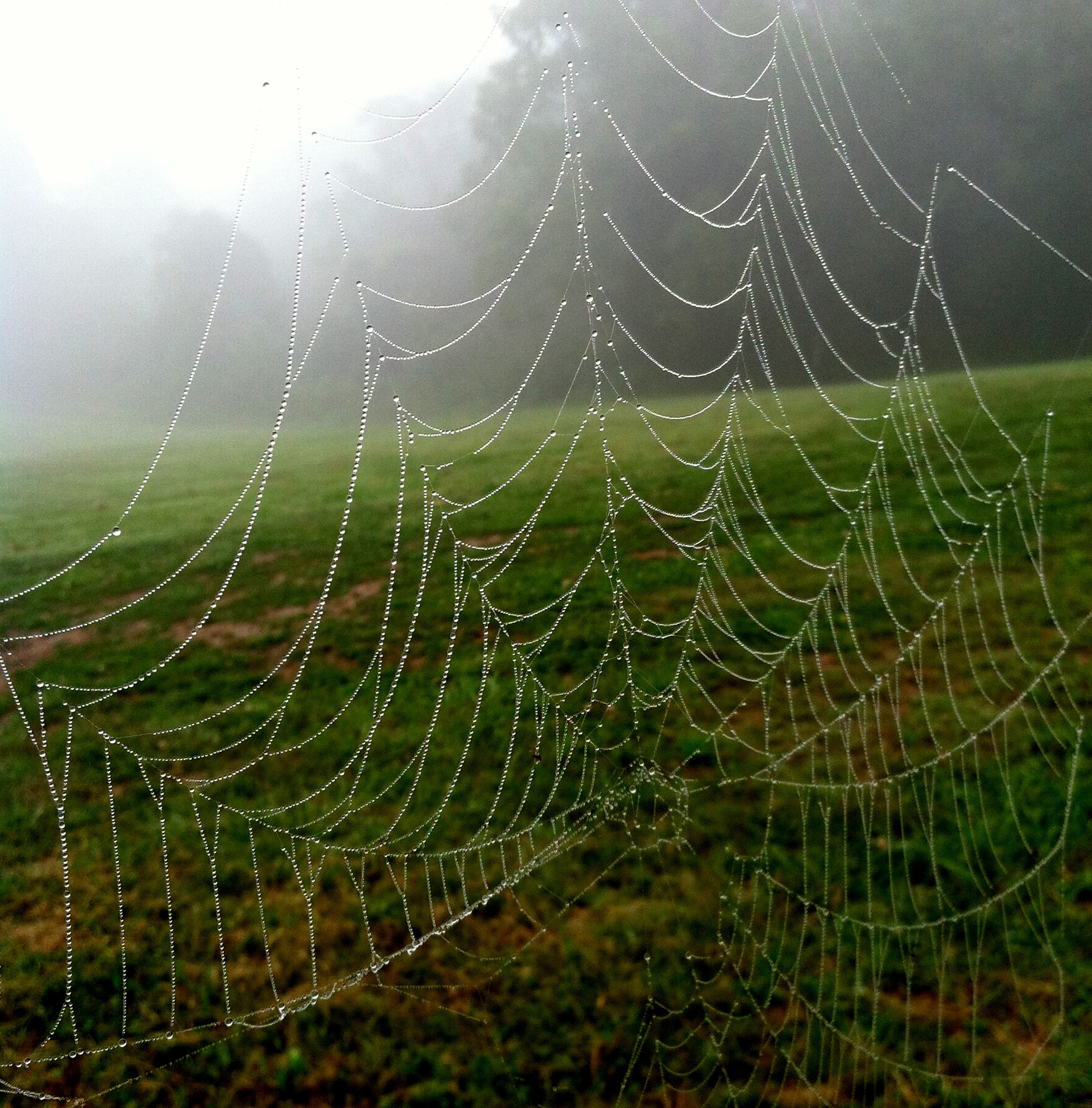
“Come Into My Parlor…”

…said the spider to the fly.

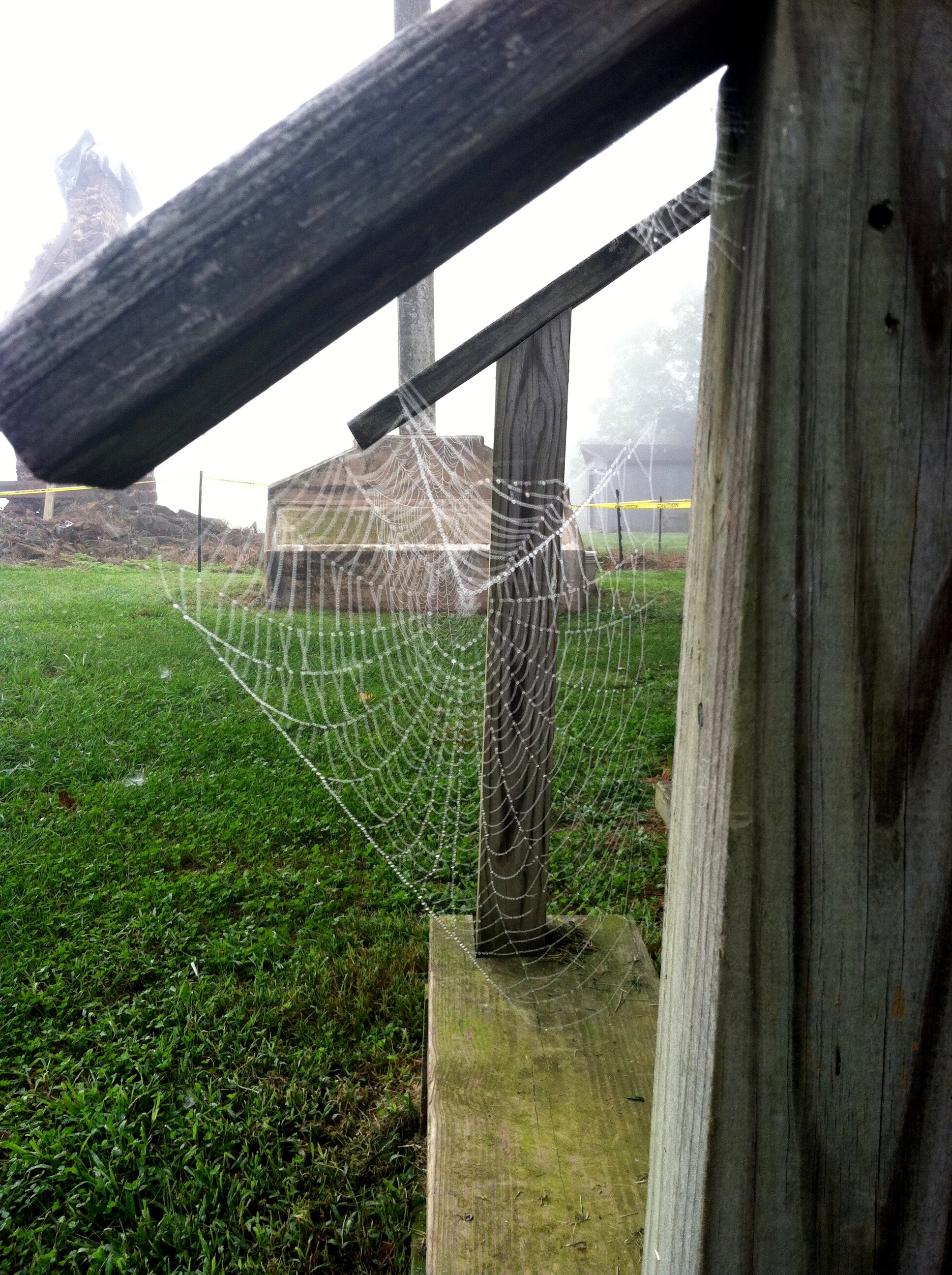
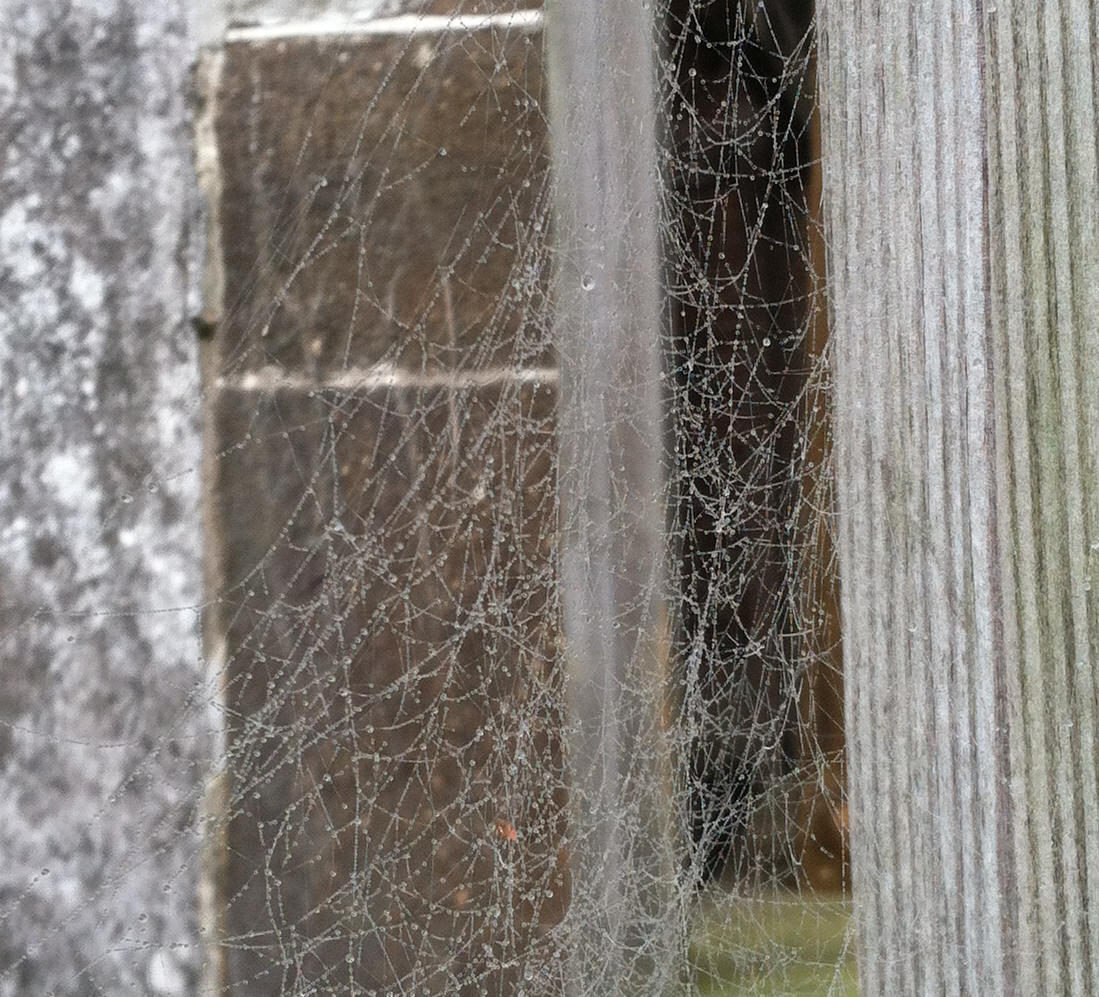
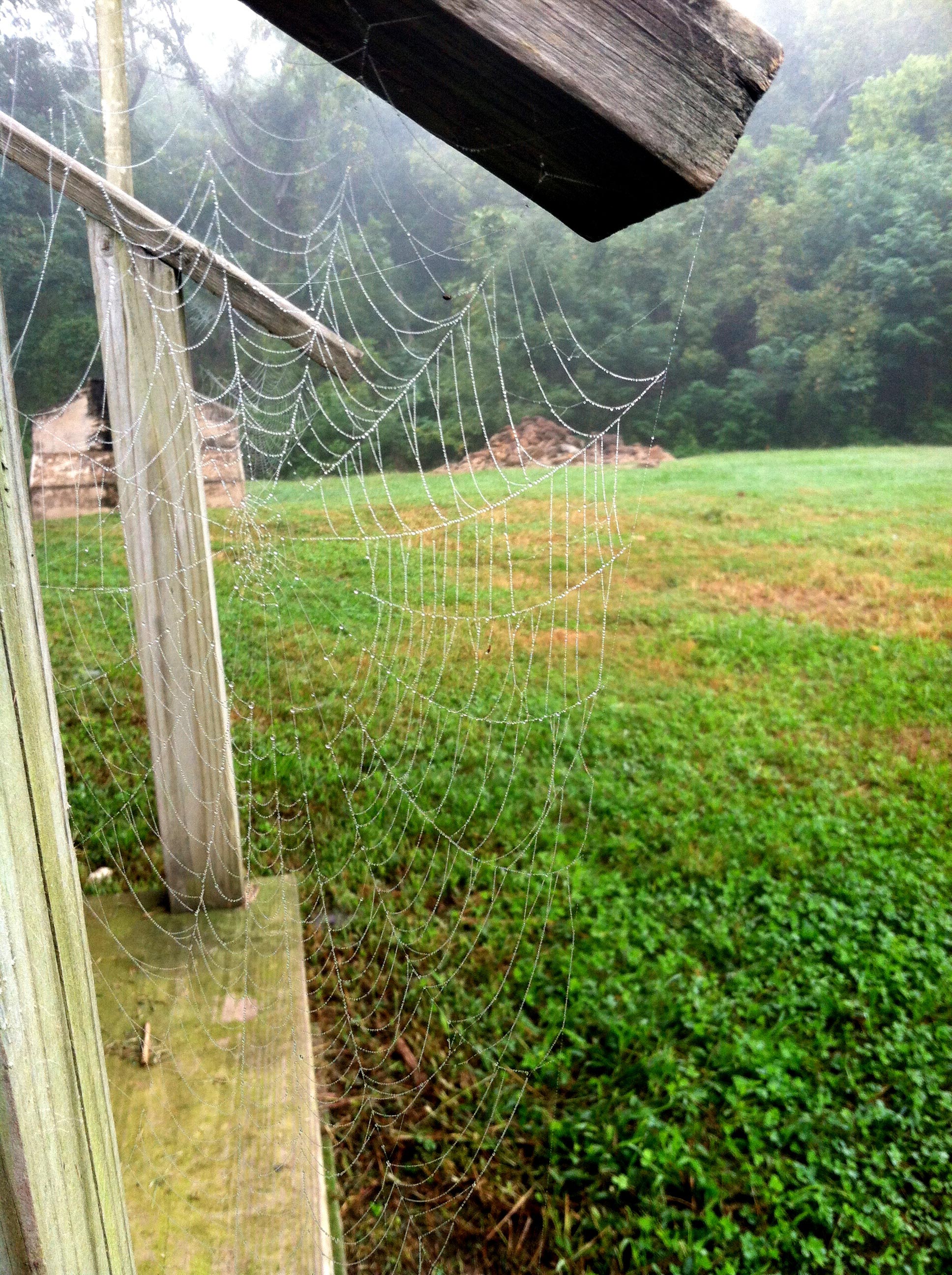
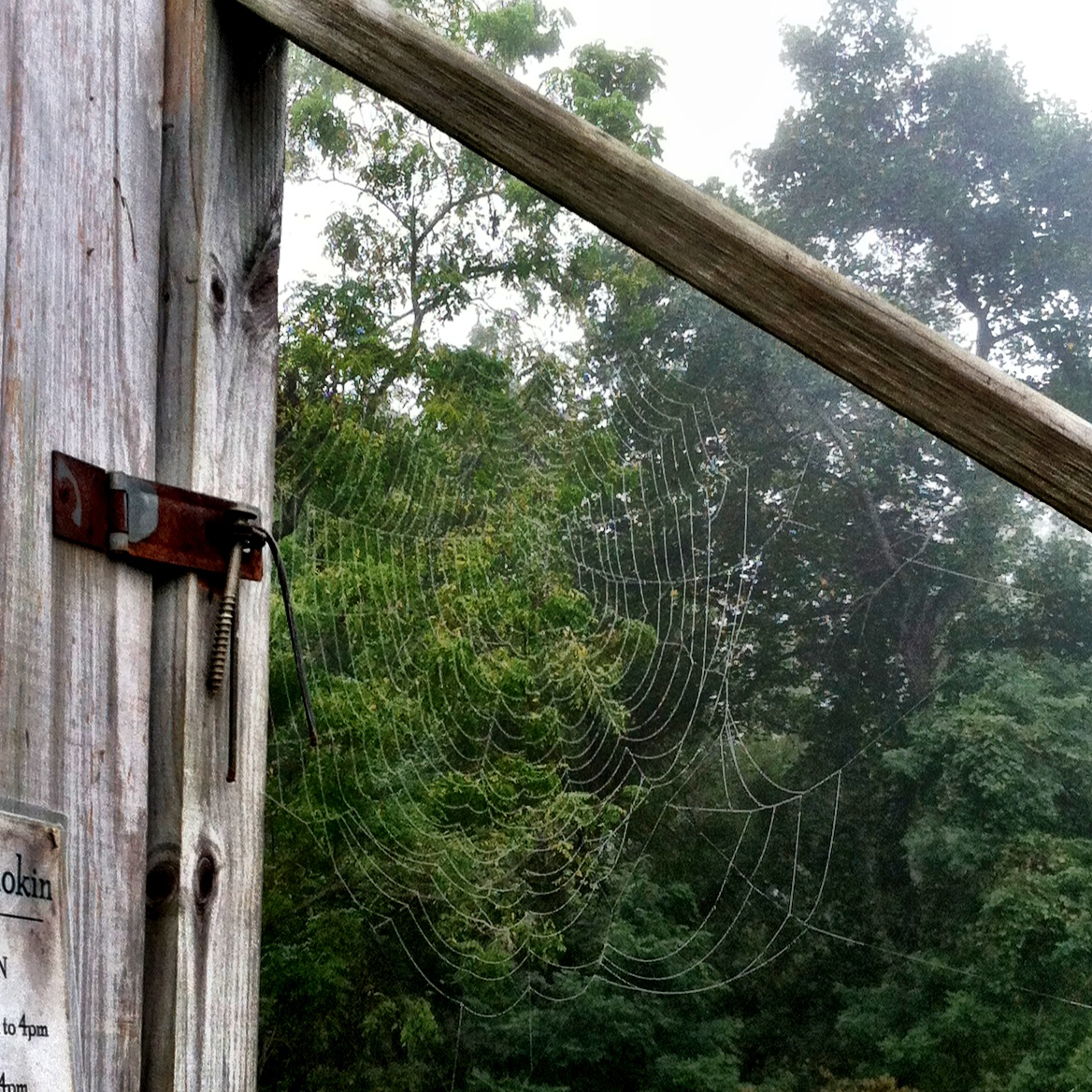
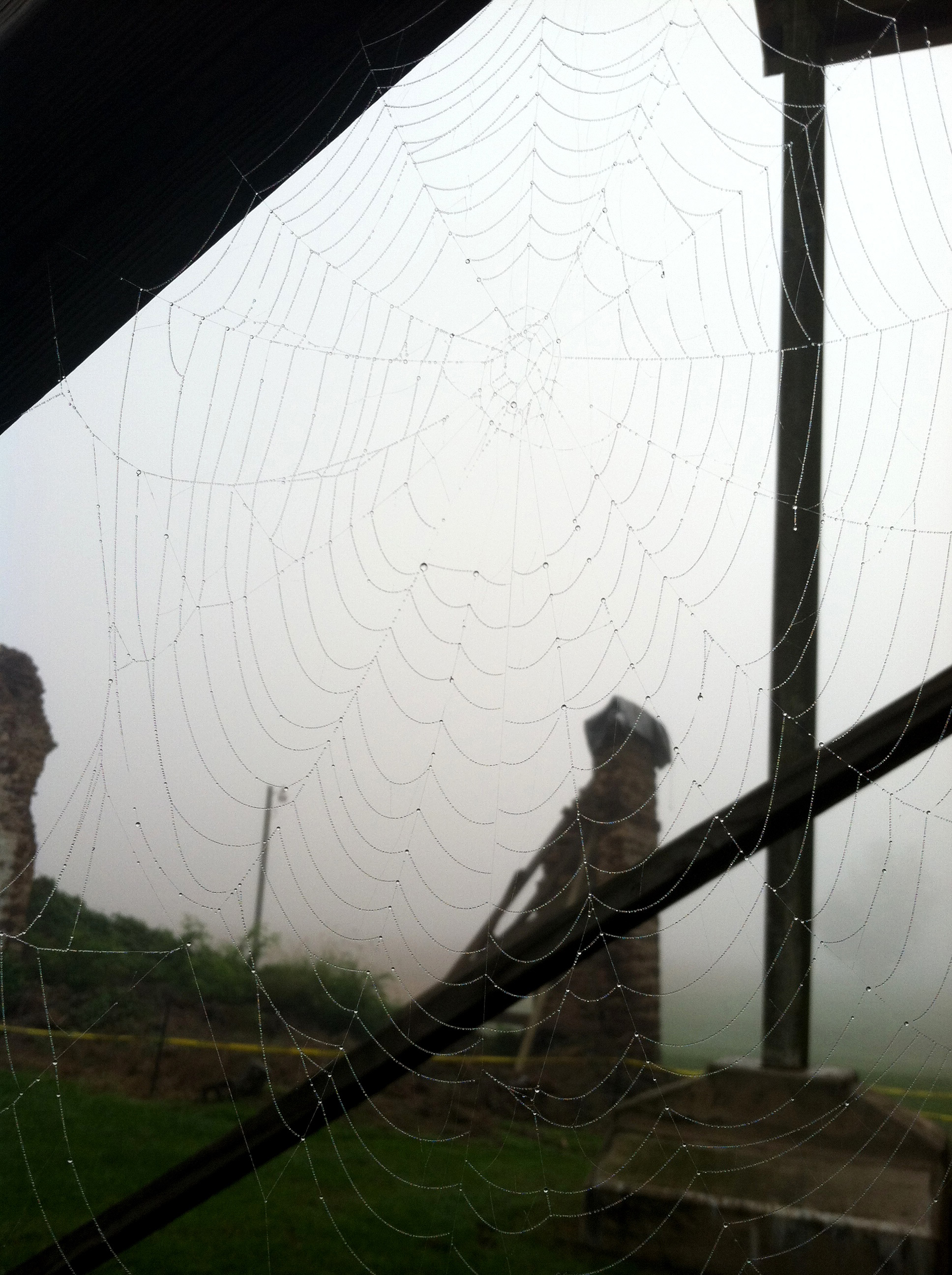
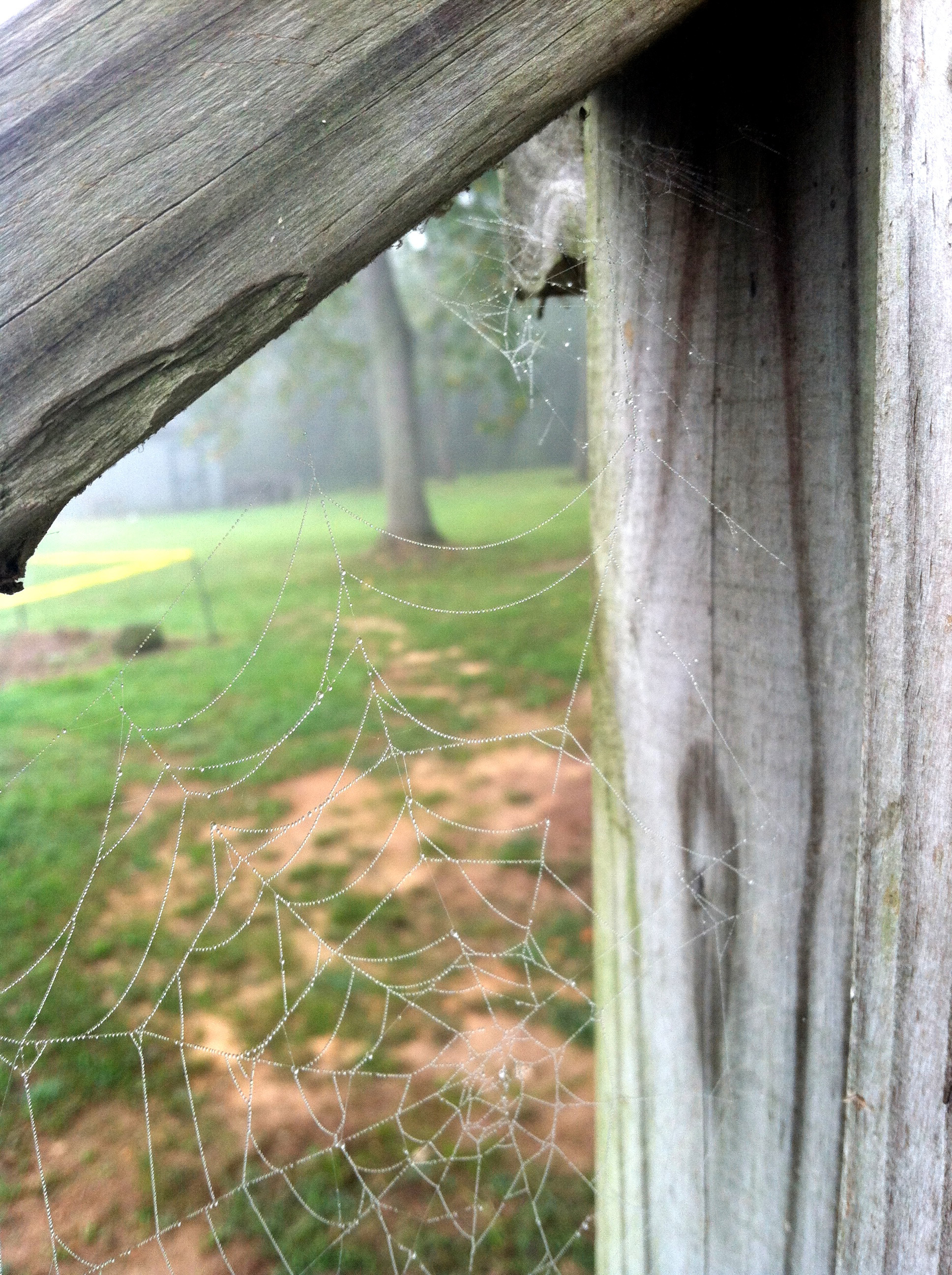
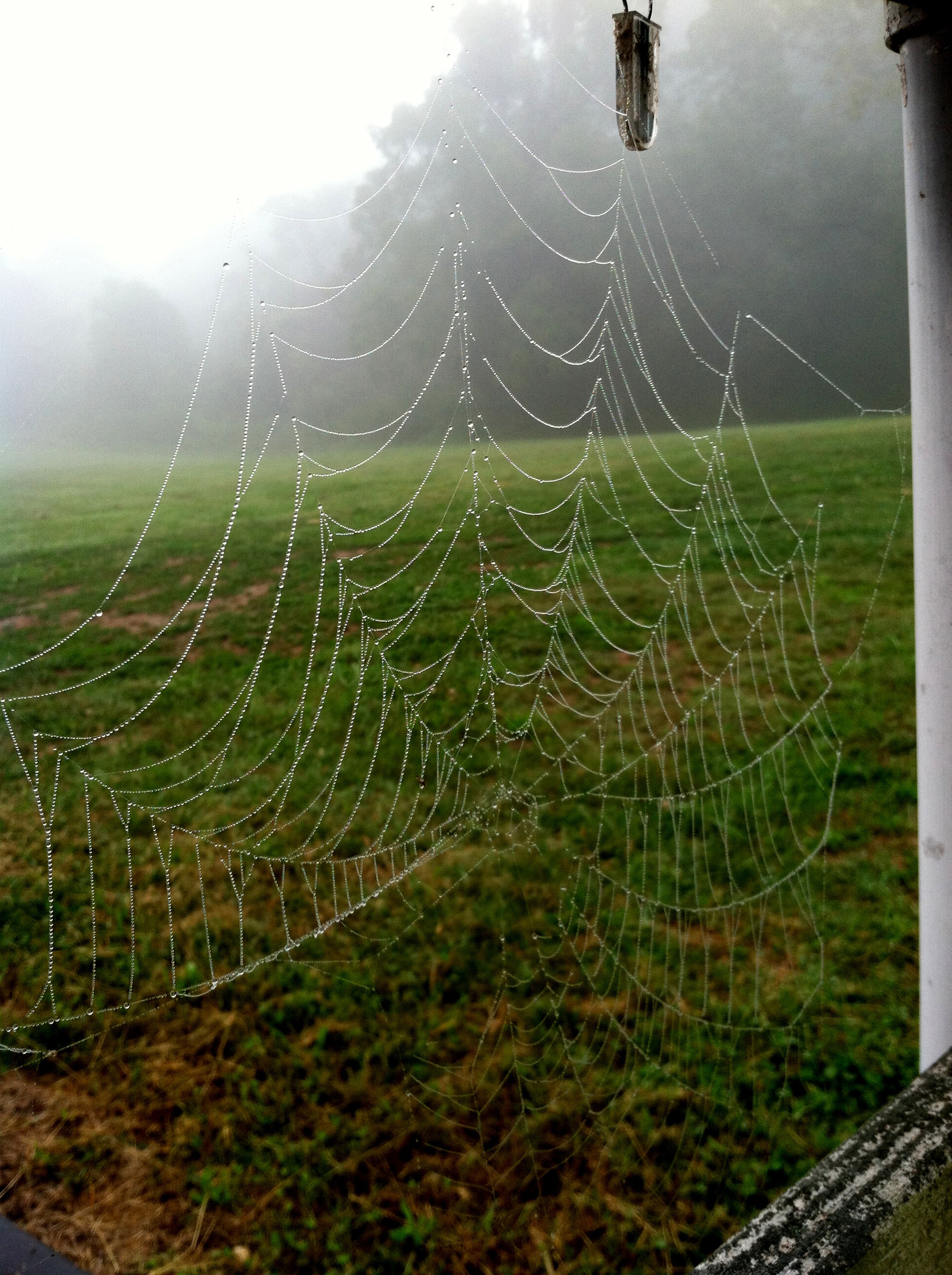
Cool nights and warm mornings generated a dense fog this morning that painted the spiderwebs at Menokin with drops of silver. Not one to let a Kodak moment pass, I had to record the beauty to share with the world.Image

ImageImageImageImageImageImageImage

The Gang’s All Here

Well, they were, anyway. In June of this year, members of The Menokin Project design team traveled to the Northern Neck for a planning meeting.

In attendance were the architects from Machado and Silvetti, the cultural landscape historians from Reed Hilderbrand, and members of the Menokin staff and board of trustees.

We were treated to a wonderful dinner at King Copsico Farm, the home of Helen and Tayloe Murphy, which is situated on a gorgeous bluff overlooking the Potomac River.

Left to Right:
Jose Ribera – Project Manager/Machado & Silvetti
Rodolpho Machado – Principal/Machado & Silvetti
Jorge Silvetti – Principal/Machado & Silvetti
Leslie Rennolds – Assistant Director/Menokin Foundation
Tayloe Murphy – Board President/Menokin Foundation
Alan Brown – Consultant for Reed Hilderbrand
Michael Yusem – Senior Associate/Machado & Silvetti
Sarah Pope – Executive Director/Menokin Foundation
Ryan Ives – Reed Hilderbrand
Penelope Saffer – Trustee/Menokin Foundation
John Grove – Reed Hilderbrand
Helen Murphy – Trustee/Menokin Foundation
A view of the Potomac River from King Copsico Farm.

Menokin Receives Grant From National Park Service

The Menokin Foundation is pleased to announce that it has received $70,000 in grant money from the NPS to initiate planning and design for two public access points on Cat Point Creek at Menokin.

“We are excited to be able to begin the process of making Cat Point Creek more accessible to the public,” says Sarah Pope, Executive Director at Menokin, “And hope that the research performed during this planning phase will also help us to better understand the intricate story of the Menokin landscape.”

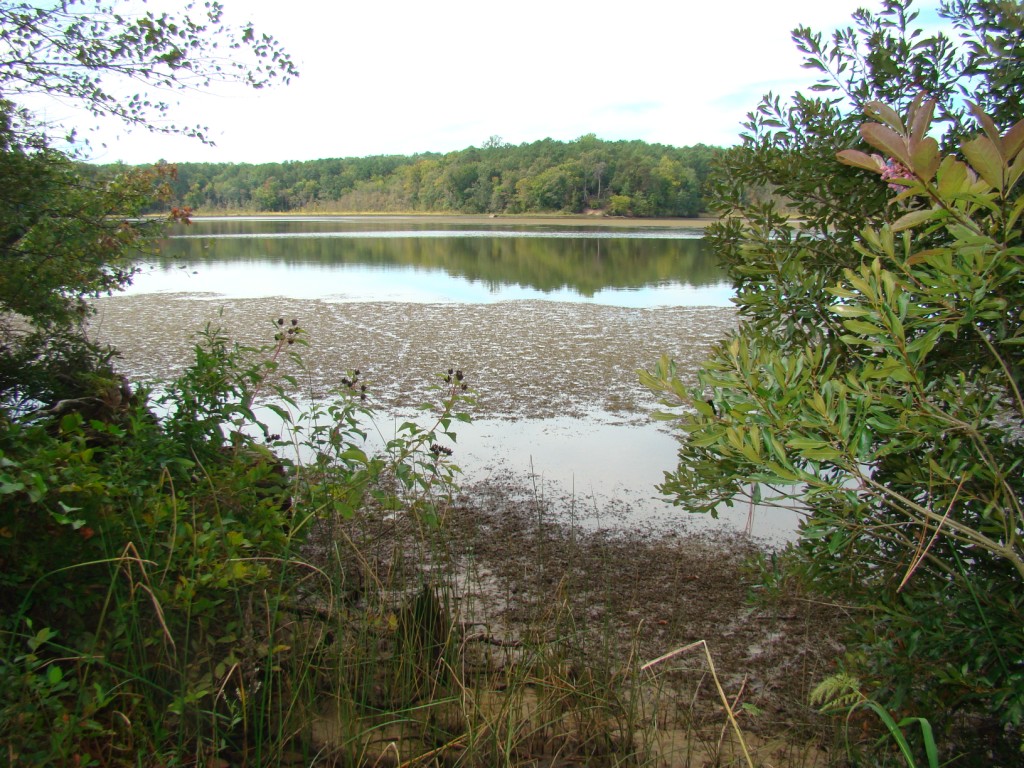
Looking up Cat Point Creek toward Menokin Bay.

The National Park Service (NPS) Chesapeake Bay Office announced on September 5, 2012 that the NPS is providing financial assistance to 21 partners and 24 projects with a combined financial commitment of $1,363,039. These projects with 21 partners in fiscal year 2012 address education, youth employment and stewardship programs, and public access and trail development in the Chesapeake Bay Gateways and Watertrails Network and along the Star-Spangled Banner National Historic Trail and the Captain John Smith Chesapeake National Historic Trail. Each project is leveraged through additional means such as matching funds, in-kind services, and volunteer hours.

In collaboration with many partners, the National Park Service works to expand public access to the Chesapeake Bay and tributary rivers, build visitor experiences along two national historic trails, develop teacher resources in line with state standards, and expand service and employment opportunities for youth. “Through partner engagement and participation, each of these projects has a positive impact in local communities,” said NPS Superintendent John Maounis. “Whether teaching the history of these places, introducing young people to possible career paths, or providing a new place to get to the water, these are investments in quality of life.”

The Chesapeake Bay Office of the National Park Service administers the Chesapeake Bay Gateways and Watertrails Network of partner sites, and also manages two of the nation’s nineteen national historic trails. Both trails are comprised of land and water routes accessible through partner sites, are in active stages of development, and offer opportunities for educators and students that are both virtual and place-based. Educational programming, training in stewardship and outdoor recreation skills, and youth employment opportunities all contribute to trail development.

Trail development and youth engagement projects also advance public access goals set through the Strategy for Protecting and Restoring the Chesapeake Bay Watershed, the federal response to President Obama’s Executive Order 13508. The strategy and subsequent draft public access plan call for the addition of 300 new sites where citizens can have a waterside experience, whether hiking, paddling, enjoying a picnic, or fishing.

Project summaries can be accessed through http://www.baygateways.net/viewrelease.cfm?press_release_id=297

Art Unveiling

Image

You are invited to the unveiling of the original pen and ink drawing of Belle Mount by artist, Bill Martz. This event is hosted by Charles Belfield, a descendant of the Belle Mount Belfields.

The manor house at Belle Mount in Richmond County, Virginia was the home of John and Ruth Sydnor Belfield.

John, son of Thomas and Mary Meriweather Belfield, was one of the 115 patriots who signed the Leedstown Resolves (also known as the Westmoreland Resolves) in 1766 – one of the first deliberate acts of sedition against England.

John became a member of the Virginia Dragoons where he served in the rank of Major. He fought in many battles to help win our freedom from England, in order that we could become the United States of America.

His home at Belle Mount was destroyed in the War of 1812. No picture has ever been produced until now.

Bill Martz is a Northern Neck artist. You can find out more about him at billmartz.com.

Internet for those who won’t get off their asses | The Times of Israel

Internet for those who won’t get off their asses | The Times of Israel.

The Fruits of Summer

Image
Joe Smith in his wheat field at Menokin.

Joe Smith stopped by Menokin today with his customary warm handshake, eye-crinkling smile…..and a bag of tomatoes.

One definite advantage to working in the Northern Neck is the abundance of fresh produce. Here at Menokin, our local farming friends are quick to remember us when doling out the harvest of their labors.

Joe has farmed the Menokin property for more than 30 years. His connections to Menokin are many and his roots in the Northern Neck are deep. He was happy to explain that the yellow tomatoes are called “straws” which are on the verge of “breaking” into full ripeness. He also let us know that if we were unable to wait, the green tomatoes are delicious fried up in a pan with potatoes, a dish his mother prepared for him as a boy.Image

Tomatoes are a pretty big deal around here. Farm stands depend on the reliable reputation of a delicious ripe tomato warmed by the sun to lure passers-by to pull in for a purchase.

But many years ago, with the introduction of the steamboat era to this region, tomatoes and tomato canning became a huge industry. According to a 2008 article from the Southside Sentinel “at one time there were 40 tomato canning factories on the Northern Neck, and just about that many on the Middle Peninsula.” The vegetable canning business that grew out of the steamboat era provided jobs at a time when this area was still recovering from the Civil War and, later, the Great Depression.

Each cannery had its own label, the likes of which are considered artwork worth framing and collecting by many in these parts. These two labels were gifts of one such local collector.

Image

Image

Sure, we may do without many modern conveniences out here in the countryside – like reliable internet and shoe stores. But what we do have is really worth having. Yum.