The Give and Take of Indian Pipe

Yesterday, a visitor spent long hours in the morning hiking the trails of Menokin. She shared this photograph of Indian Pipe that she found growing along the trail.

Indian Pipe (photo by Beth Sanders)

I did a little research and found out some interesting facts about Indian Pipe.

  • Indian Pipe doesn’t have chlorophyll, the stuff that makes plants green. It is a waxy, whitish color (though this plant is a lovely shade of pink). It turns black when it gets old.
  • Indian Pipe is usually seen from June to September. It grows in shady woods with rich soil and decaying plant matter. This plant is often found near dead stumps.
  • Since Indian Pipe has no chlorophyl, it can’t make its own food like most plants. Therefore, it has to “borrow” nutrients, either from decaying plant matter, or from another organism, such as a fungus.
  • Meanwhile, the fungus itself has another relationship going on with a tree. The fungus’s mycelia also tap into the tree’s roots. Many fungi and trees have this type of relationship — it’s called a “mycorrhizal relationship.” The fungus gives nutrients to the tree and the tree gives nutrients to the fungus. Both organisms help each other out.
  • Even though Indian Pipe gives nothing back to the fungus or the tree, it is a food source for small bumble bees, which visit flowers for nectar. The bees return the favor by pollinating the Indian Pipe. 

You are probably already humming the “Circle of Life” Lion King theme song in your head or out loud by now. Hope you have enjoyed this little nature lesson. Share your own photos of Indian Pipe if you have them.

The Menokin Foundation Takes to the Road

The popular Banner Lecture Series offered at the Virginia Historical Society in Richmond, VA will host two guest speakers in October, both co-sponsored by The Menokin Foundation.

These programs will be held at the VHS, which is located at 428 North Boulevard in Richmond, VA.

The first takes place on Thursday, October 4, 2012 at noon, and features Dr. John C. Coombs, a professor at Hampden-Sydney College, discussing Planter Oligarchy on Virginia’s Northern Neck.

Unlocking Menokin’s Secrets: Archaeological and Landscape Research at a Northern Neck Plantation takes place on Thursday, October 25, 2012 at noon, and will be presented by David Brown and Thane Harpole of DATA Investigations.

One of the great houses to survive from colonial Virginia, Menokin was the result of a unique collaboration between John Tayloe II of Mount Airy and Francis Lightfoot Lee, the husband of his daughter Rebecca. Tayloe gave Lee a life interest in 1,000 acres of his vast Richmond County estate and, as a wedding present, built the plantation house and surrounding structures.

David Brown at work at Menokin.

Though scant written records remain, other clues offer insight into this adaptation of European design to the environment of eastern Virginia. David Brown with DATA Investigations will discuss recent archaeological and landscape research conducted at the site.

Reservations are not required for either lecture. Admission is $6/adults, $5/seniors, $4/children and students, free/members (please present card) and to Richmond Times-Dispatch readers with a Press Pass coupon. Parking is free. For more information visit: www.vahistorical.org/news/lectures_banner.htm.

Meet The Family

The current issue of Virginia Living has an article about the magnificent colonial plantation home, Mount Airy. This 18th-century architectural masterpiece was the girlhood home of Rebecca Tayloe Lee, wife of Francis Lightfoot Lee of Menokin.

In fact, the Menokin property was once part of the estate of John Tayloe II, who carved out 1,000 acres and financed the building of Menokin as a wedding gift for Frank and Becky.

These exquisite photographs by Roger Foley give you a peak into the genteel lifestyle of the Mount Airy residents. The article offers poignant insight into the nature of living in – and caring for – an iconic family home.

Here is a link to the article in Virginia Living.

These 10th generation great nephews of Rebecca Tayloe Lee are playing, living and growing in the same house where she grew up.
You can almost feel the breeze wafting through the great hall of Mount Airy.
Moose has gone to heaven, but lived a heavenly life at Mount Airy alongside his statuary brethren.

Planter Oligarchy on Virginia’s Northern Neck

Virginia Historical Society Banner Lecture Series

Dr. John C. Coombs, Presenter

Co-sponsored by the Virginia Historical Society.
Program held at the VHS located at 428 North Boulevard, Richmond, VA

The rise of a distinct class of affluent families to economic, social, and political dominance in Virginia during the seventeenth and early eighteenth centuries is without doubt one of the most important developments in the Old Dominion’s early history.

As a group, however, the “gentry” were far from homogenous. John C. Coombs will draw on research for his forthcoming book The Rise of Virginia Slavery to discuss the foundations of power that were common across all ranks of the elite, as well as the circumstances that allowed the Carters, Lees, and Tayloes to achieve distinction as the colony’s “first families.”

Dr. Coombs is a professor of history at Hampden-Sydney College and coeditor of Early Modern Virginia: Reconsidering the Old Dominion.

Reservations are not required. Admission is $6/adults, $5/seniors, $4/children and students, free/members (please present card) and to Richmond Times-Dispatch readers with a Press Pass coupon. Parking is free.For more information visit: www.vahistorical.org/news/lectures_banner.htm

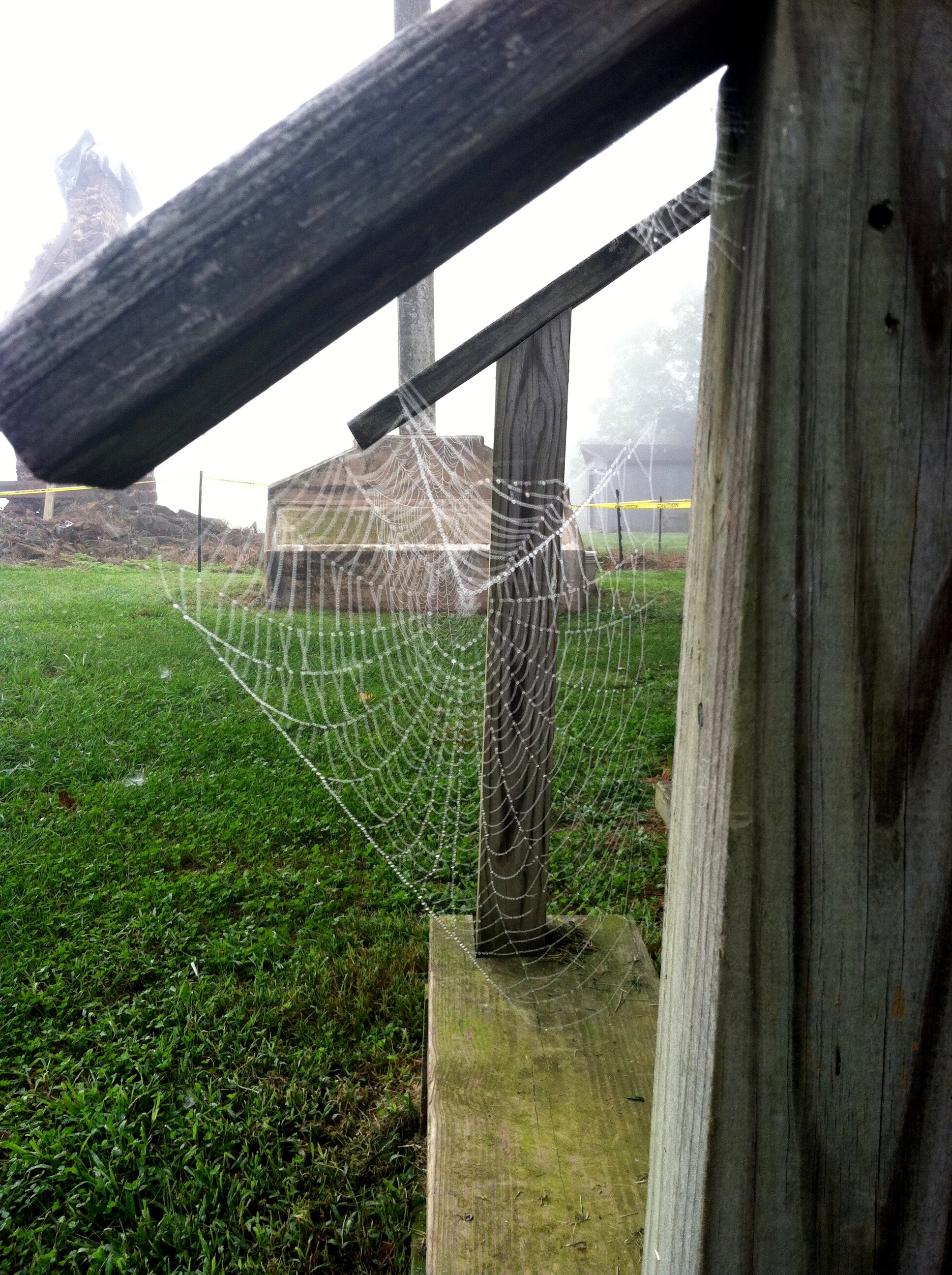
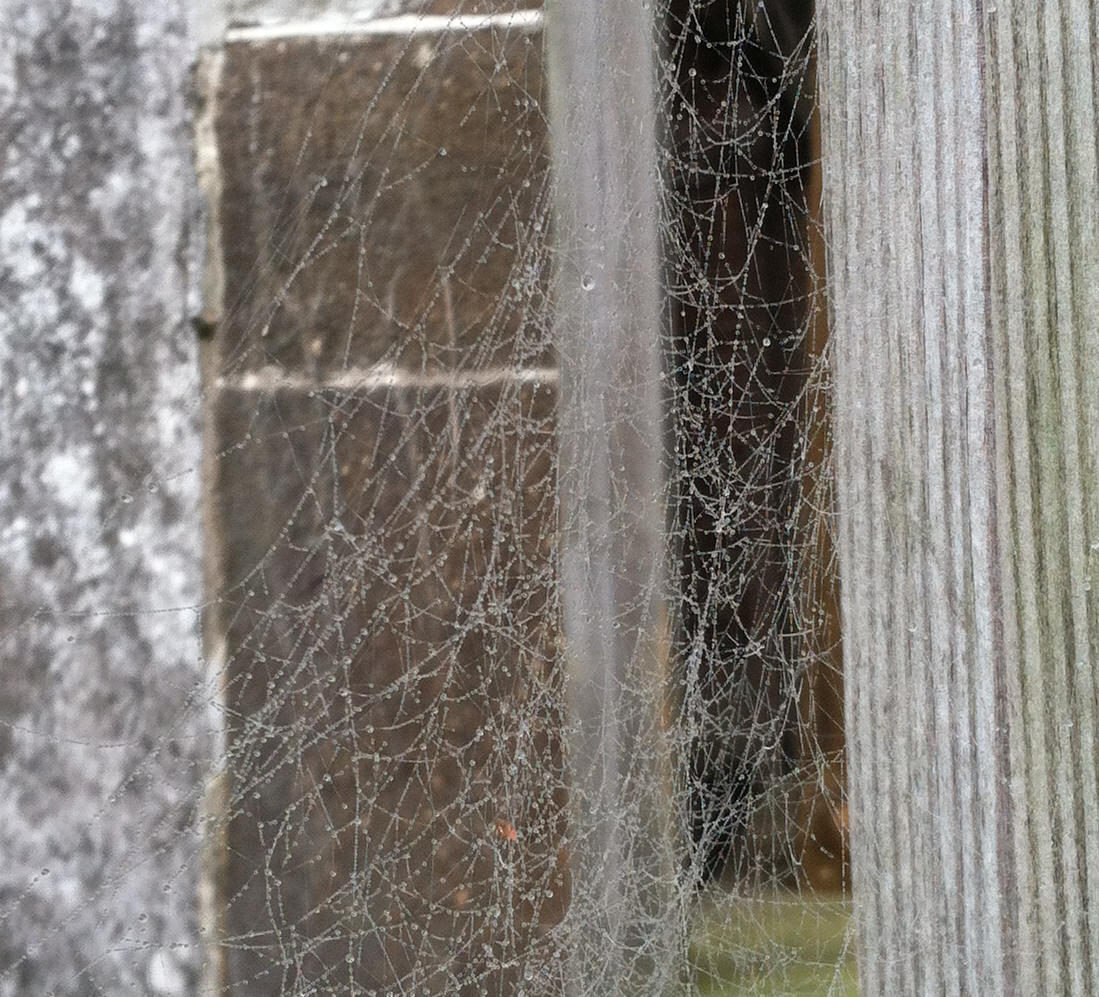
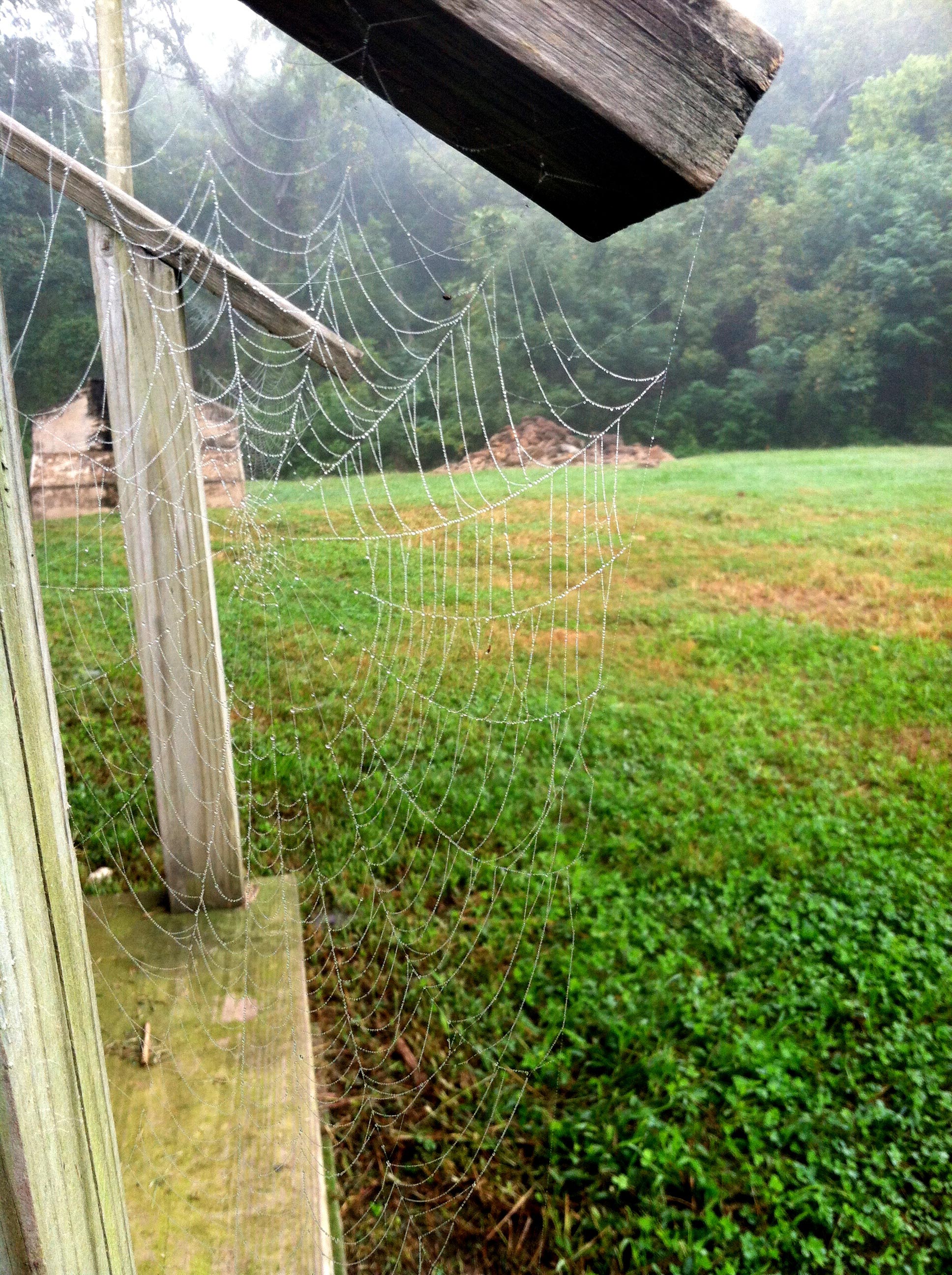
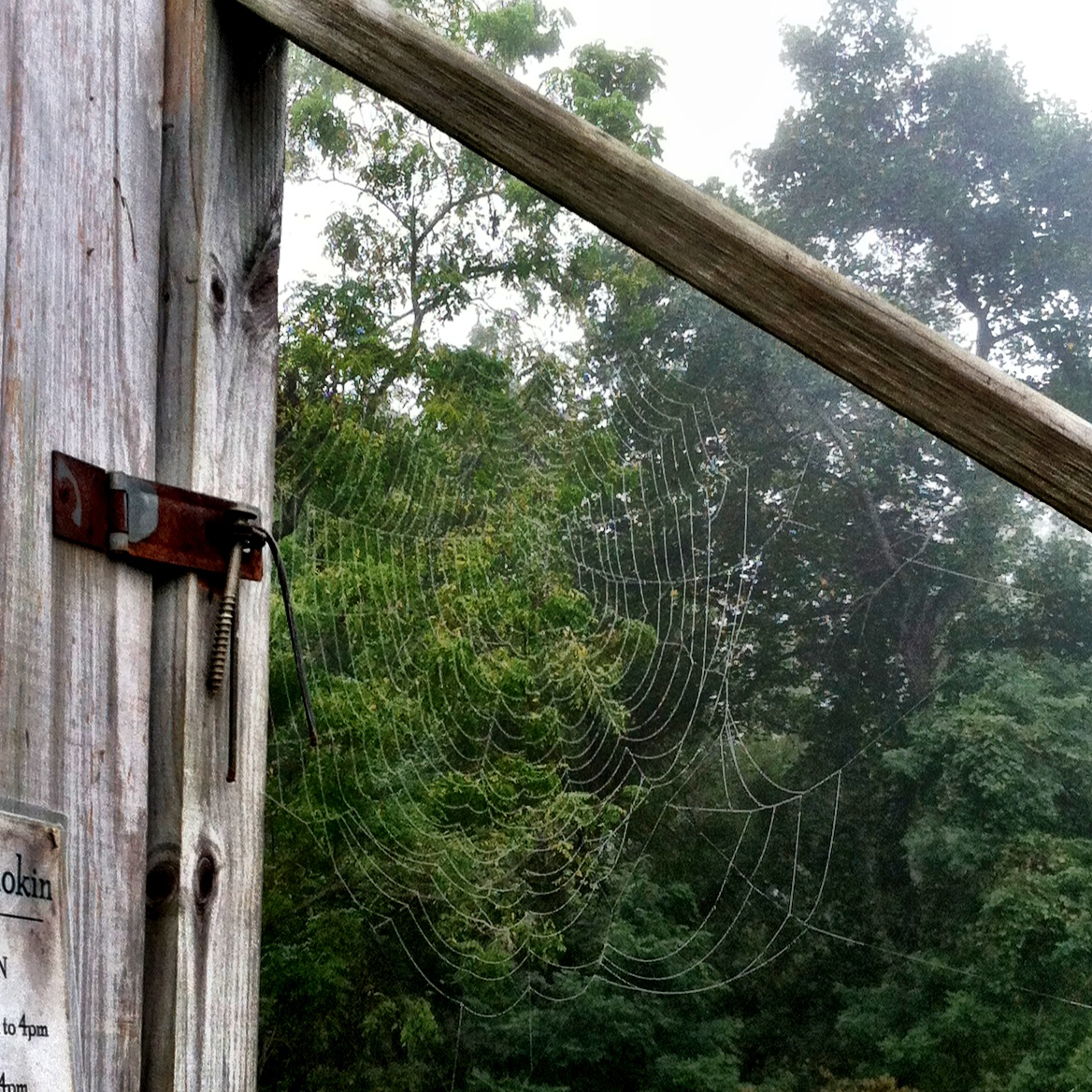
“Come Into My Parlor…”

…said the spider to the fly.

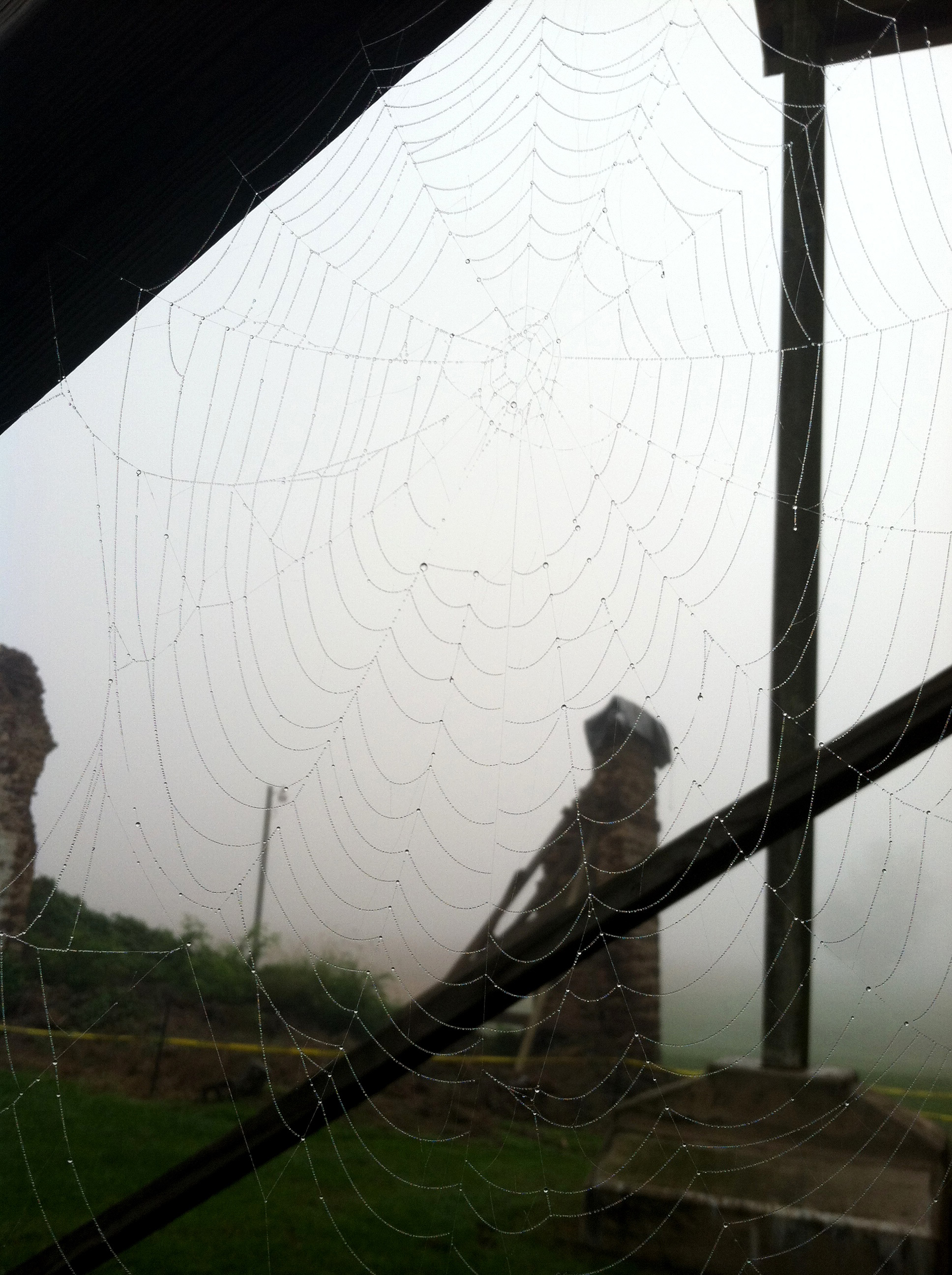
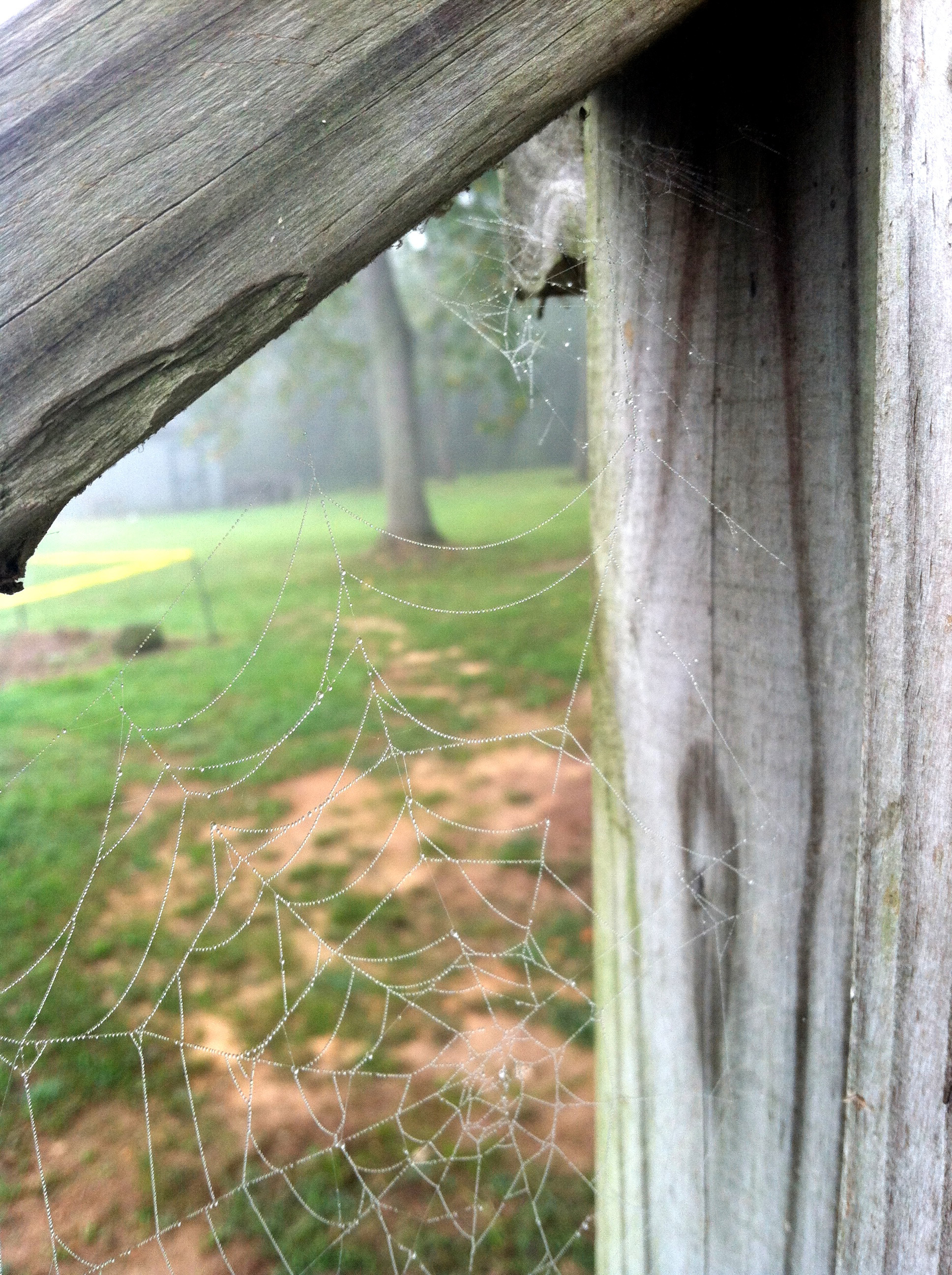
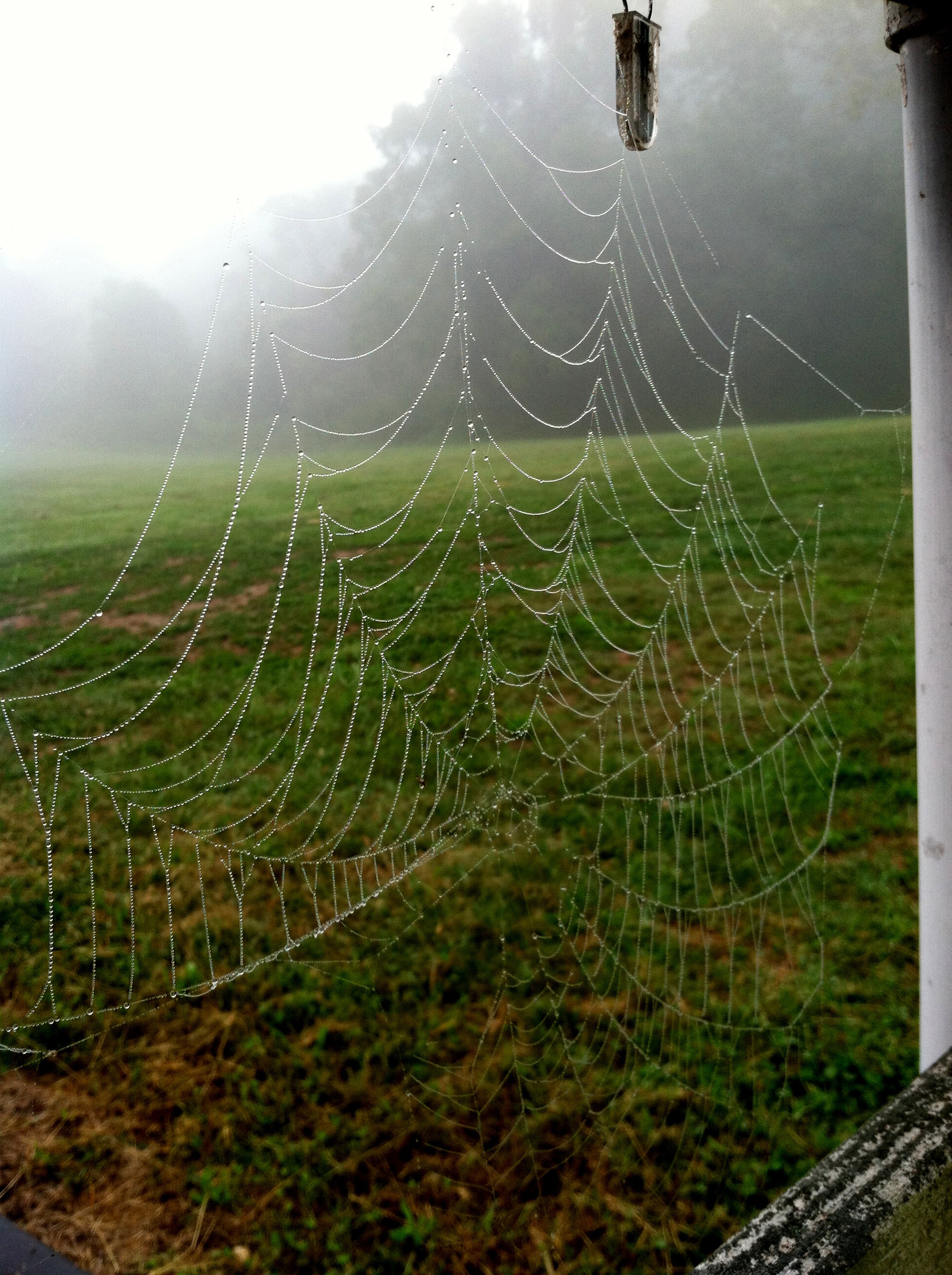
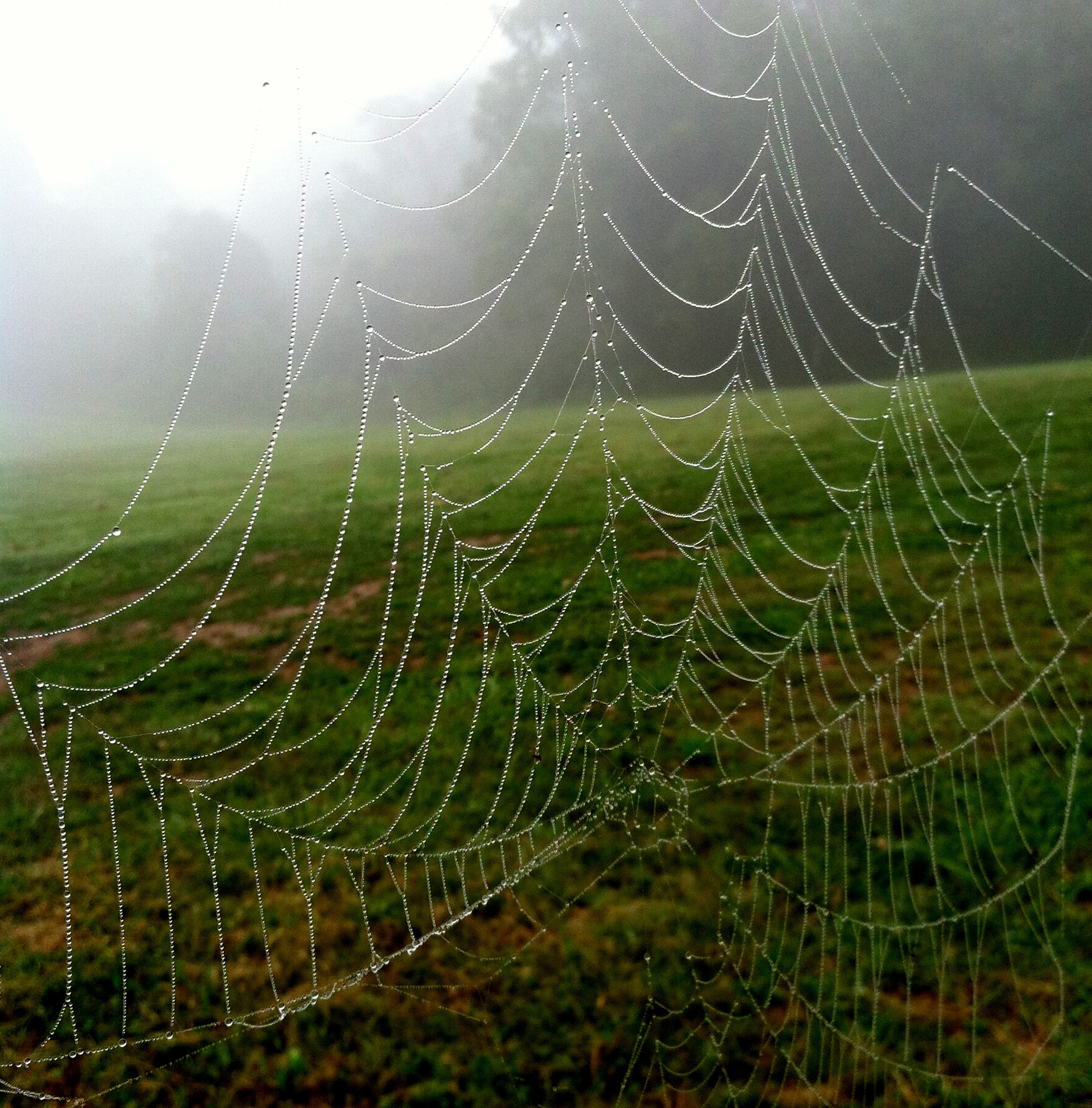
Cool nights and warm mornings generated a dense fog this morning that painted the spiderwebs at Menokin with drops of silver. Not one to let a Kodak moment pass, I had to record the beauty to share with the world.Image

ImageImageImageImageImageImageImage

The Gang’s All Here

Well, they were, anyway. In June of this year, members of The Menokin Project design team traveled to the Northern Neck for a planning meeting.

In attendance were the architects from Machado and Silvetti, the cultural landscape historians from Reed Hilderbrand, and members of the Menokin staff and board of trustees.

We were treated to a wonderful dinner at King Copsico Farm, the home of Helen and Tayloe Murphy, which is situated on a gorgeous bluff overlooking the Potomac River.

Left to Right:
Jose Ribera – Project Manager/Machado & Silvetti
Rodolpho Machado – Principal/Machado & Silvetti
Jorge Silvetti – Principal/Machado & Silvetti
Leslie Rennolds – Assistant Director/Menokin Foundation
Tayloe Murphy – Board President/Menokin Foundation
Alan Brown – Consultant for Reed Hilderbrand
Michael Yusem – Senior Associate/Machado & Silvetti
Sarah Pope – Executive Director/Menokin Foundation
Ryan Ives – Reed Hilderbrand
Penelope Saffer – Trustee/Menokin Foundation
John Grove – Reed Hilderbrand
Helen Murphy – Trustee/Menokin Foundation
A view of the Potomac River from King Copsico Farm.

Menokin Receives Grant From National Park Service

The Menokin Foundation is pleased to announce that it has received $70,000 in grant money from the NPS to initiate planning and design for two public access points on Cat Point Creek at Menokin.

“We are excited to be able to begin the process of making Cat Point Creek more accessible to the public,” says Sarah Pope, Executive Director at Menokin, “And hope that the research performed during this planning phase will also help us to better understand the intricate story of the Menokin landscape.”

Looking up Cat Point Creek toward Menokin Bay.

The National Park Service (NPS) Chesapeake Bay Office announced on September 5, 2012 that the NPS is providing financial assistance to 21 partners and 24 projects with a combined financial commitment of $1,363,039. These projects with 21 partners in fiscal year 2012 address education, youth employment and stewardship programs, and public access and trail development in the Chesapeake Bay Gateways and Watertrails Network and along the Star-Spangled Banner National Historic Trail and the Captain John Smith Chesapeake National Historic Trail. Each project is leveraged through additional means such as matching funds, in-kind services, and volunteer hours.

In collaboration with many partners, the National Park Service works to expand public access to the Chesapeake Bay and tributary rivers, build visitor experiences along two national historic trails, develop teacher resources in line with state standards, and expand service and employment opportunities for youth. “Through partner engagement and participation, each of these projects has a positive impact in local communities,” said NPS Superintendent John Maounis. “Whether teaching the history of these places, introducing young people to possible career paths, or providing a new place to get to the water, these are investments in quality of life.”

The Chesapeake Bay Office of the National Park Service administers the Chesapeake Bay Gateways and Watertrails Network of partner sites, and also manages two of the nation’s nineteen national historic trails. Both trails are comprised of land and water routes accessible through partner sites, are in active stages of development, and offer opportunities for educators and students that are both virtual and place-based. Educational programming, training in stewardship and outdoor recreation skills, and youth employment opportunities all contribute to trail development.

Trail development and youth engagement projects also advance public access goals set through the Strategy for Protecting and Restoring the Chesapeake Bay Watershed, the federal response to President Obama’s Executive Order 13508. The strategy and subsequent draft public access plan call for the addition of 300 new sites where citizens can have a waterside experience, whether hiking, paddling, enjoying a picnic, or fishing.

Project summaries can be accessed through http://www.baygateways.net/viewrelease.cfm?press_release_id=297

Art Unveiling

Image

You are invited to the unveiling of the original pen and ink drawing of Belle Mount by artist, Bill Martz. This event is hosted by Charles Belfield, a descendant of the Belle Mount Belfields.

The manor house at Belle Mount in Richmond County, Virginia was the home of John and Ruth Sydnor Belfield.

John, son of Thomas and Mary Meriweather Belfield, was one of the 115 patriots who signed the Leedstown Resolves (also known as the Westmoreland Resolves) in 1766 – one of the first deliberate acts of sedition against England.

John became a member of the Virginia Dragoons where he served in the rank of Major. He fought in many battles to help win our freedom from England, in order that we could become the United States of America.

His home at Belle Mount was destroyed in the War of 1812. No picture has ever been produced until now.

Bill Martz is a Northern Neck artist. You can find out more about him at billmartz.com.

The Passing of Jack Boucher – Legendary HABS Photographer

Upon receiving the news of Mr. Boucher’s passing on September 2, 2012, I dug into the Menokin Photo archive this morning to look for the images that I knew he had taken here as part of his work with HABS (Historic American Building Survey). Wouldn’t it be nice, I thought, to share these photographs with the world as a way of paying tribute to the wonderful career of Jack Boucher?

Enjoy!

Read his obituary on our facebook page.