Tag Archives: Virginia

In case you missed it….

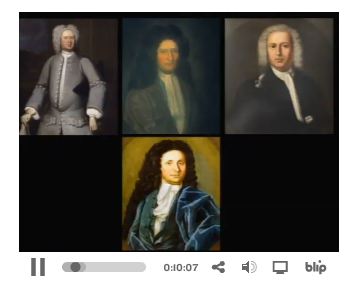
The Virginia Historical Society has posted a video of the recent banner lecture, Planter Oligarchy on Virginia’s Northern Neck, which was co-sponsored by Menokin. The video features a fabulous introduction by Menokin’s own, Sarah Dillard Pope, Executive Director of the Menokin Foundation.

Also includes a shout out to Tayloe Negus and Tayloe Emery, both Hampden-Sydney alums, who help established the relationship between Dr. Coombs and Menokin.

Enjoy!

http://www.vahistorical.org/news/lectures_coombs.htm
VHS Banner Lecture Video

The Give and Take of Indian Pipe

Yesterday, a visitor spent long hours in the morning hiking the trails of Menokin. She shared this photograph of Indian Pipe that she found growing along the trail.

Indian Pipe (photo by Beth Sanders)

I did a little research and found out some interesting facts about Indian Pipe.

  • Indian Pipe doesn’t have chlorophyll, the stuff that makes plants green. It is a waxy, whitish color (though this plant is a lovely shade of pink). It turns black when it gets old.
  • Indian Pipe is usually seen from June to September. It grows in shady woods with rich soil and decaying plant matter. This plant is often found near dead stumps.
  • Since Indian Pipe has no chlorophyl, it can’t make its own food like most plants. Therefore, it has to “borrow” nutrients, either from decaying plant matter, or from another organism, such as a fungus.
  • Meanwhile, the fungus itself has another relationship going on with a tree. The fungus’s mycelia also tap into the tree’s roots. Many fungi and trees have this type of relationship — it’s called a “mycorrhizal relationship.” The fungus gives nutrients to the tree and the tree gives nutrients to the fungus. Both organisms help each other out.
  • Even though Indian Pipe gives nothing back to the fungus or the tree, it is a food source for small bumble bees, which visit flowers for nectar. The bees return the favor by pollinating the Indian Pipe. 

You are probably already humming the “Circle of Life” Lion King theme song in your head or out loud by now. Hope you have enjoyed this little nature lesson. Share your own photos of Indian Pipe if you have them.

Planter Oligarchy on Virginia’s Northern Neck

Virginia Historical Society Banner Lecture Series

Dr. John C. Coombs, Presenter

Co-sponsored by the Virginia Historical Society.
Program held at the VHS located at 428 North Boulevard, Richmond, VA

The rise of a distinct class of affluent families to economic, social, and political dominance in Virginia during the seventeenth and early eighteenth centuries is without doubt one of the most important developments in the Old Dominion’s early history.

As a group, however, the “gentry” were far from homogenous. John C. Coombs will draw on research for his forthcoming book The Rise of Virginia Slavery to discuss the foundations of power that were common across all ranks of the elite, as well as the circumstances that allowed the Carters, Lees, and Tayloes to achieve distinction as the colony’s “first families.”

Dr. Coombs is a professor of history at Hampden-Sydney College and coeditor of Early Modern Virginia: Reconsidering the Old Dominion.

Reservations are not required. Admission is $6/adults, $5/seniors, $4/children and students, free/members (please present card) and to Richmond Times-Dispatch readers with a Press Pass coupon. Parking is free.For more information visit: www.vahistorical.org/news/lectures_banner.htm

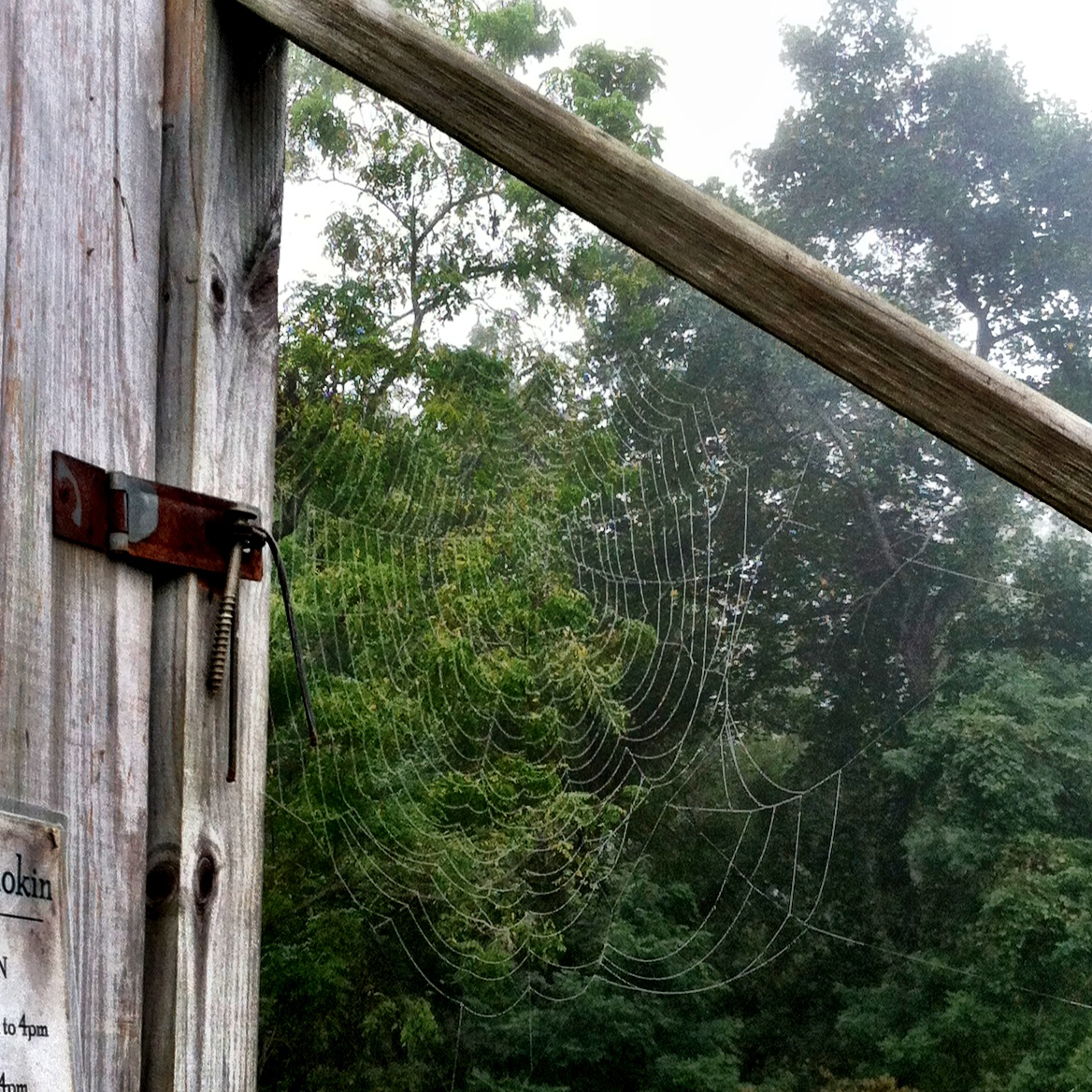
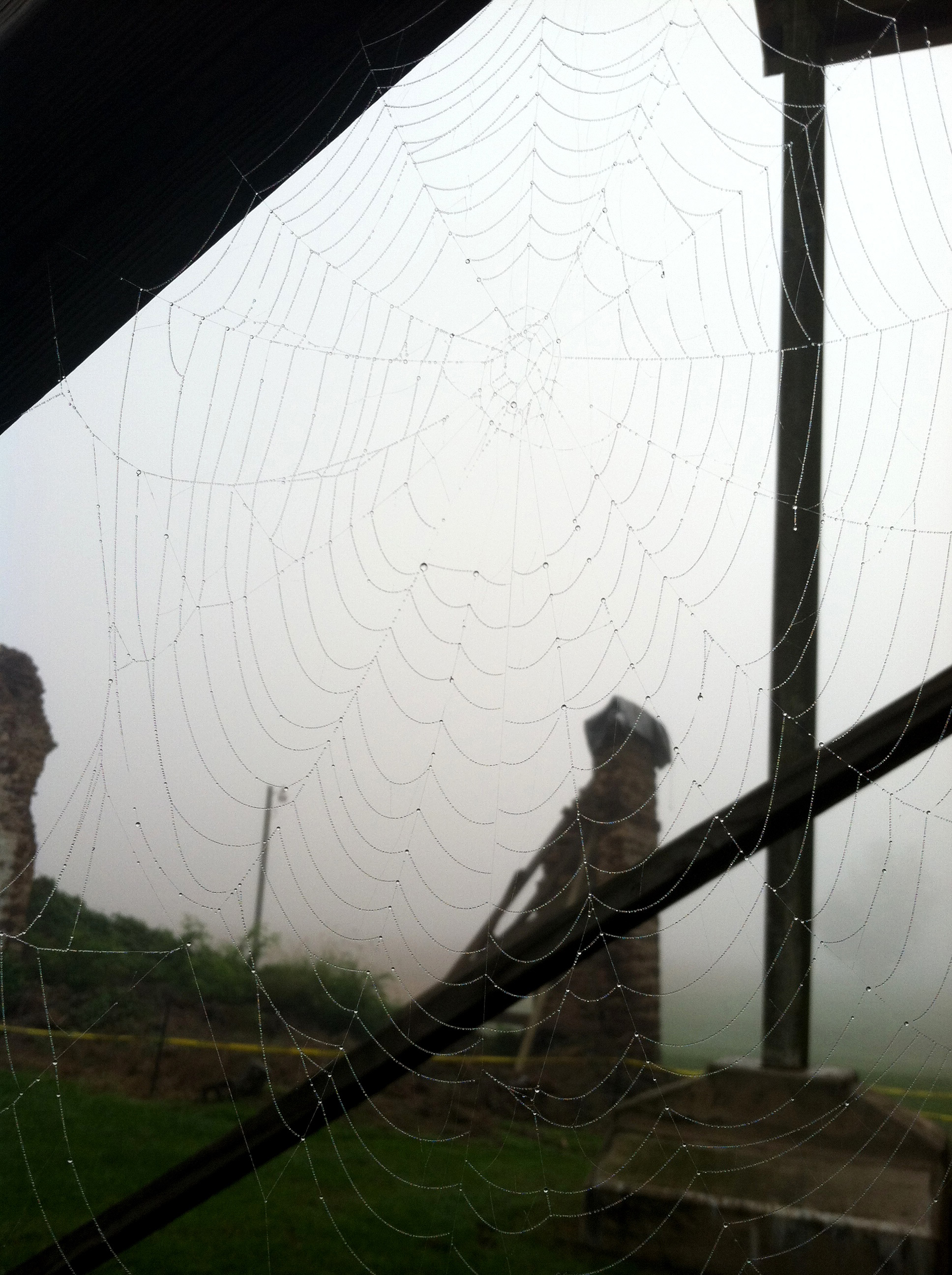
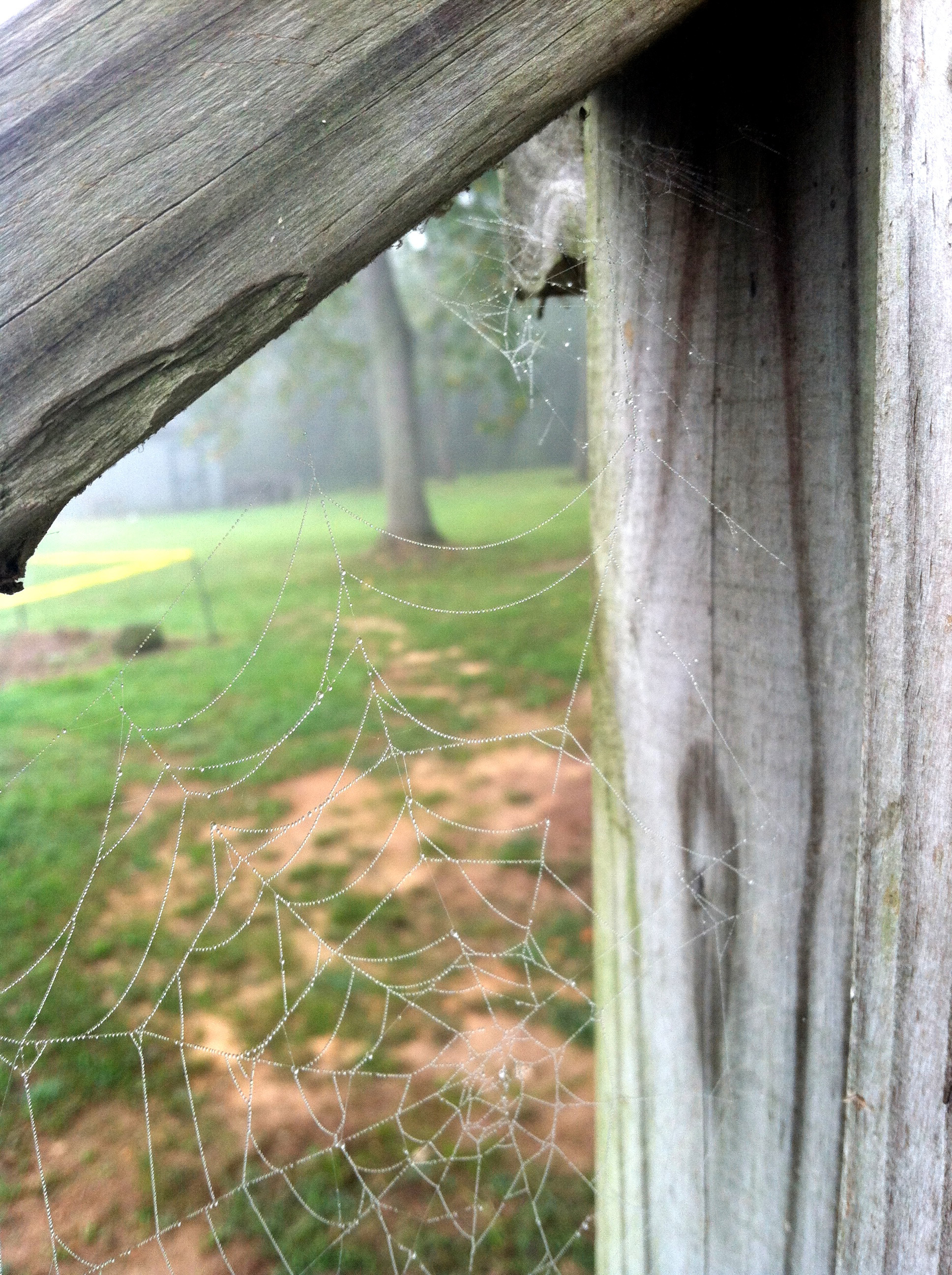
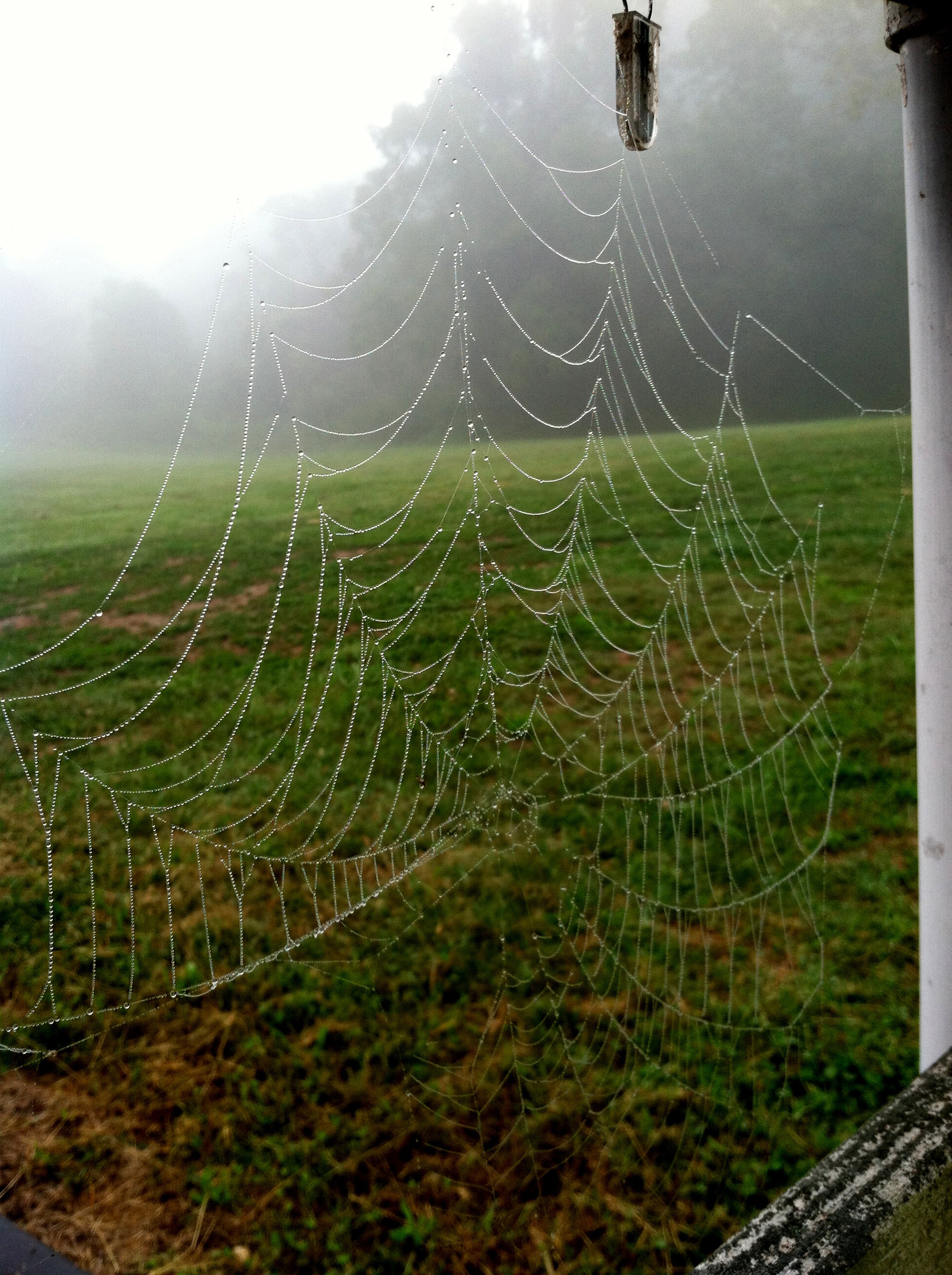
“Come Into My Parlor…”

…said the spider to the fly.

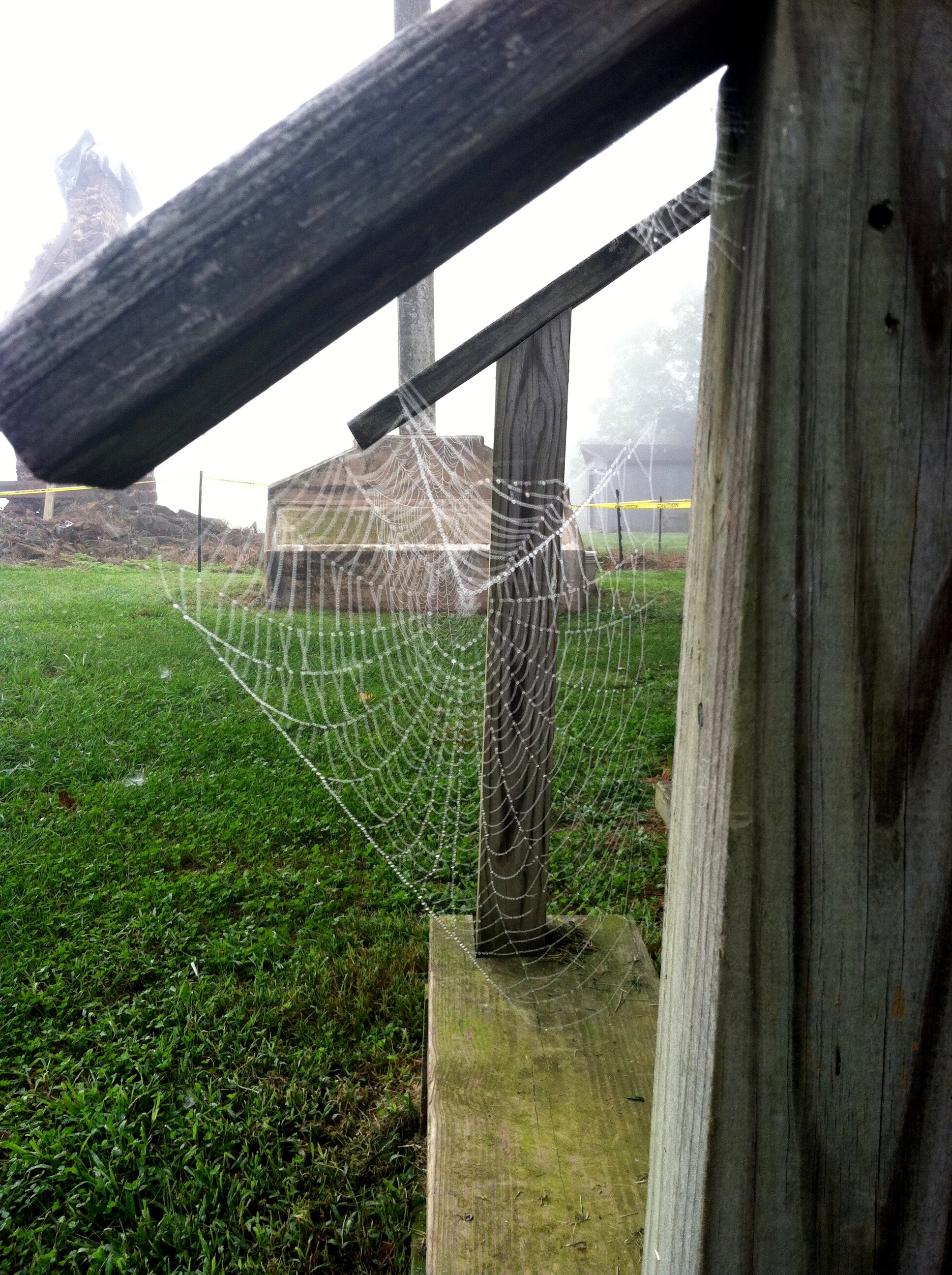
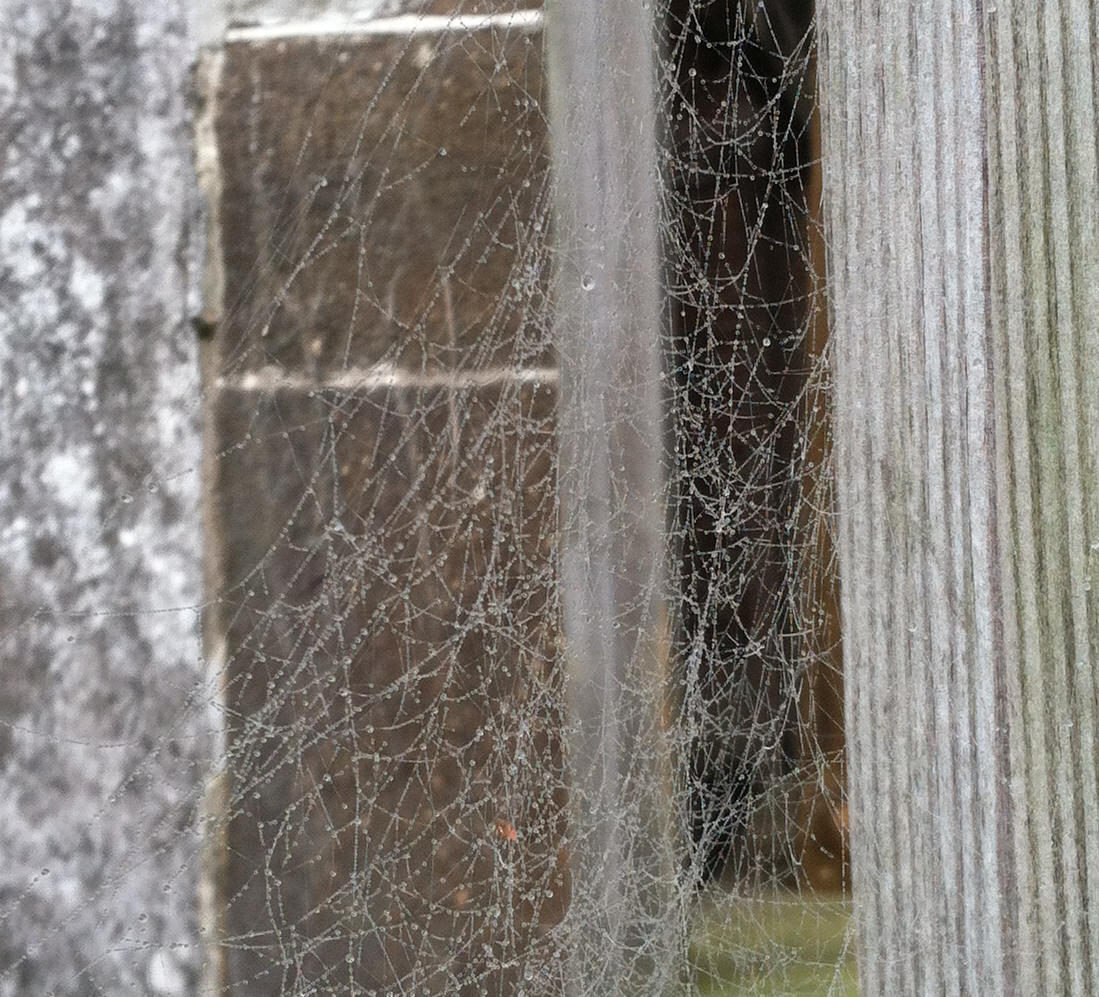
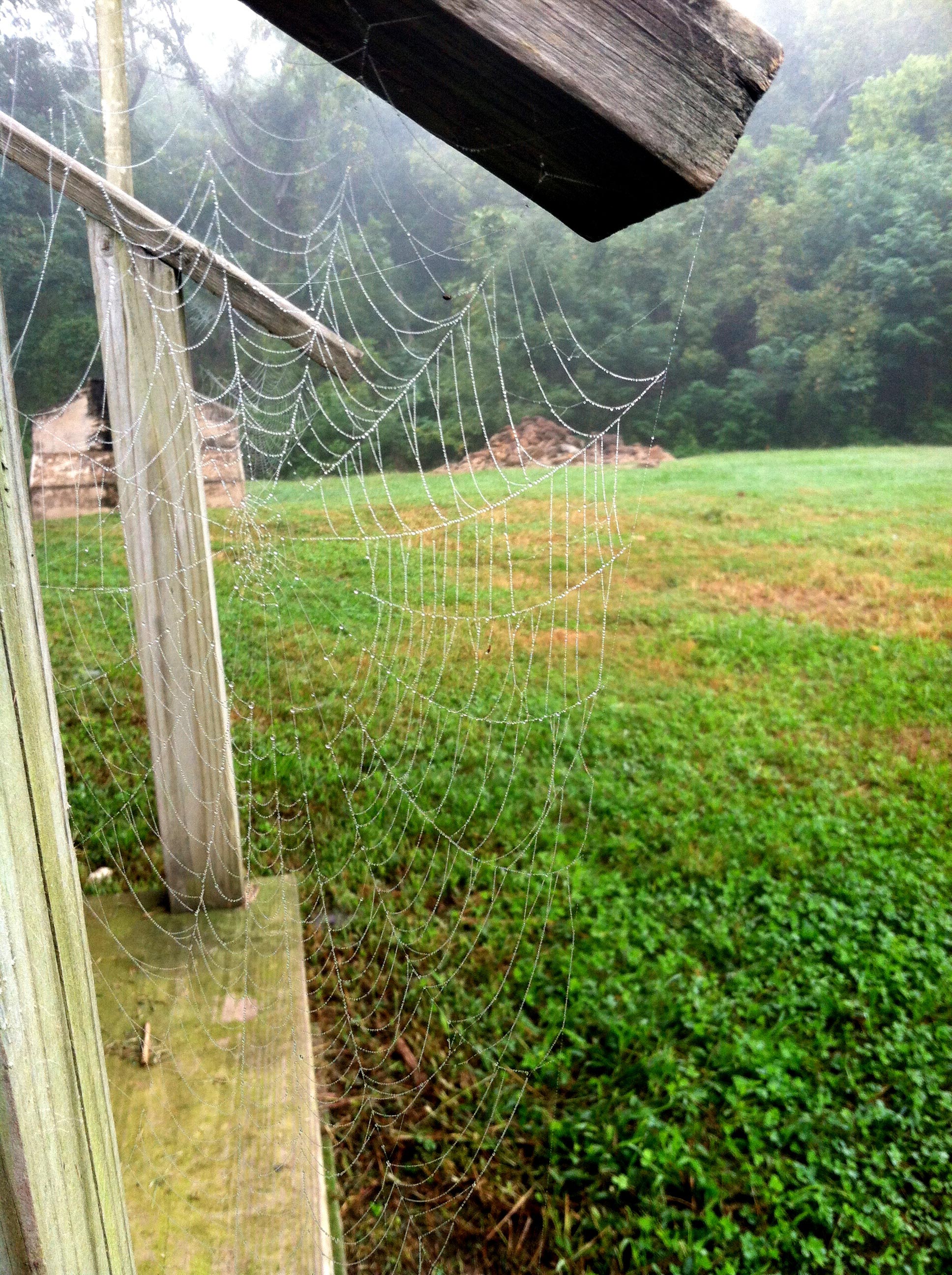
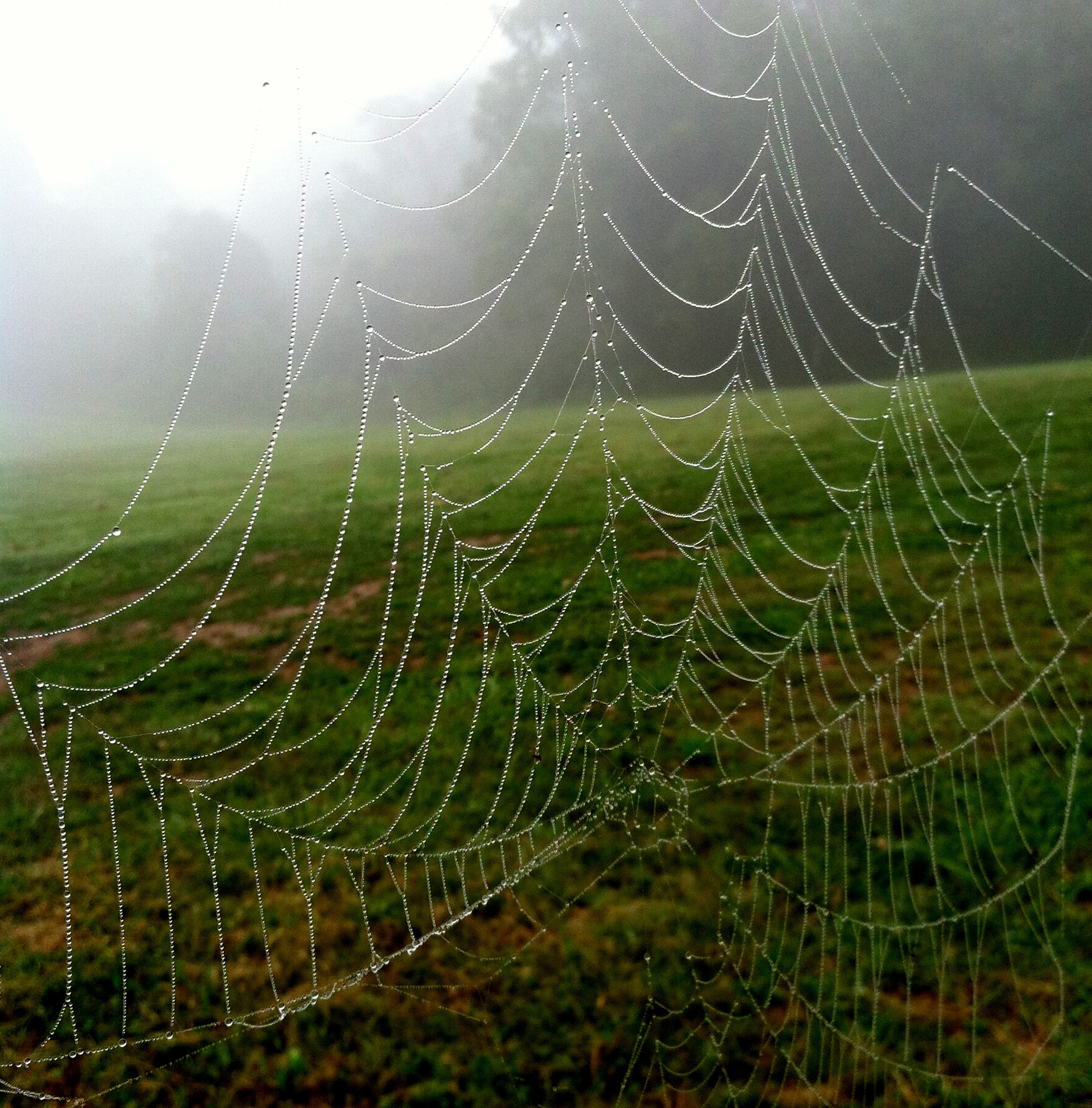
Cool nights and warm mornings generated a dense fog this morning that painted the spiderwebs at Menokin with drops of silver. Not one to let a Kodak moment pass, I had to record the beauty to share with the world.Image

ImageImageImageImageImageImageImage

The Gang’s All Here

Well, they were, anyway. In June of this year, members of The Menokin Project design team traveled to the Northern Neck for a planning meeting.

In attendance were the architects from Machado and Silvetti, the cultural landscape historians from Reed Hilderbrand, and members of the Menokin staff and board of trustees.

We were treated to a wonderful dinner at King Copsico Farm, the home of Helen and Tayloe Murphy, which is situated on a gorgeous bluff overlooking the Potomac River.

Left to Right:
Jose Ribera – Project Manager/Machado & Silvetti
Rodolpho Machado – Principal/Machado & Silvetti
Jorge Silvetti – Principal/Machado & Silvetti
Leslie Rennolds – Assistant Director/Menokin Foundation
Tayloe Murphy – Board President/Menokin Foundation
Alan Brown – Consultant for Reed Hilderbrand
Michael Yusem – Senior Associate/Machado & Silvetti
Sarah Pope – Executive Director/Menokin Foundation
Ryan Ives – Reed Hilderbrand
Penelope Saffer – Trustee/Menokin Foundation
John Grove – Reed Hilderbrand
Helen Murphy – Trustee/Menokin Foundation
A view of the Potomac River from King Copsico Farm.

Art Unveiling

Image

You are invited to the unveiling of the original pen and ink drawing of Belle Mount by artist, Bill Martz. This event is hosted by Charles Belfield, a descendant of the Belle Mount Belfields.

The manor house at Belle Mount in Richmond County, Virginia was the home of John and Ruth Sydnor Belfield.

John, son of Thomas and Mary Meriweather Belfield, was one of the 115 patriots who signed the Leedstown Resolves (also known as the Westmoreland Resolves) in 1766 – one of the first deliberate acts of sedition against England.

John became a member of the Virginia Dragoons where he served in the rank of Major. He fought in many battles to help win our freedom from England, in order that we could become the United States of America.

His home at Belle Mount was destroyed in the War of 1812. No picture has ever been produced until now.

Bill Martz is a Northern Neck artist. You can find out more about him at billmartz.com.

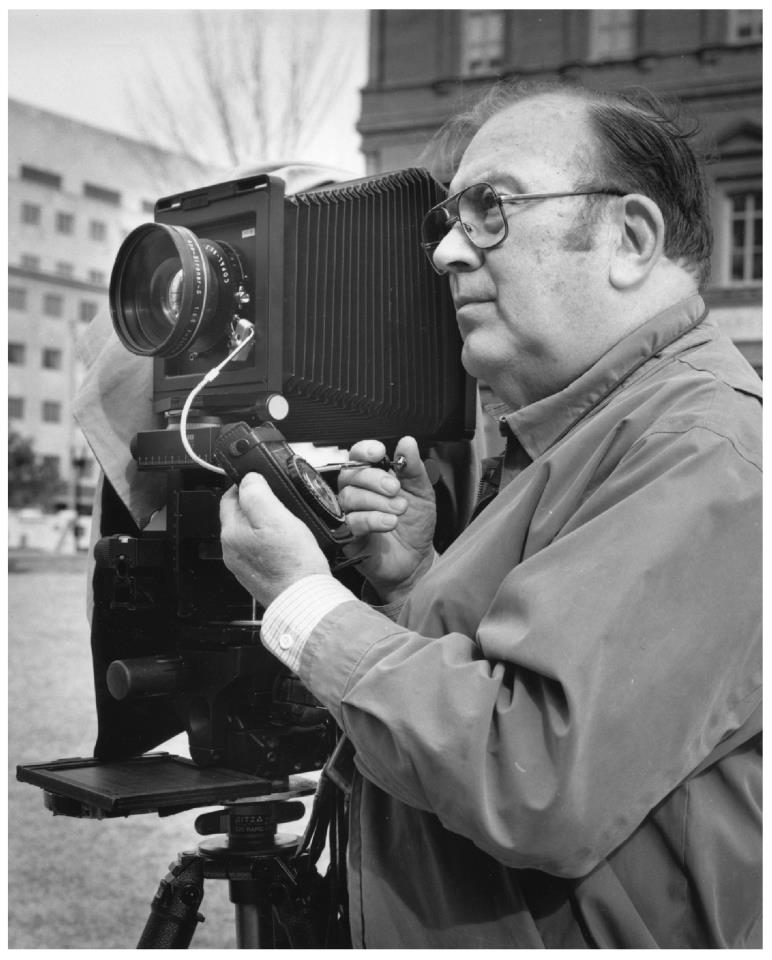
The Passing of Jack Boucher – Legendary HABS Photographer

Upon receiving the news of Mr. Boucher’s passing on September 2, 2012, I dug into the Menokin Photo archive this morning to look for the images that I knew he had taken here as part of his work with HABS (Historic American Building Survey). Wouldn’t it be nice, I thought, to share these photographs with the world as a way of paying tribute to the wonderful career of Jack Boucher?

Enjoy!

Read his obituary on our facebook page.


The Fruits of Summer

Image
Joe Smith in his wheat field at Menokin.

Joe Smith stopped by Menokin today with his customary warm handshake, eye-crinkling smile…..and a bag of tomatoes.

One definite advantage to working in the Northern Neck is the abundance of fresh produce. Here at Menokin, our local farming friends are quick to remember us when doling out the harvest of their labors.

Joe has farmed the Menokin property for more than 30 years. His connections to Menokin are many and his roots in the Northern Neck are deep. He was happy to explain that the yellow tomatoes are called “straws” which are on the verge of “breaking” into full ripeness. He also let us know that if we were unable to wait, the green tomatoes are delicious fried up in a pan with potatoes, a dish his mother prepared for him as a boy.Image

Tomatoes are a pretty big deal around here. Farm stands depend on the reliable reputation of a delicious ripe tomato warmed by the sun to lure passers-by to pull in for a purchase.

But many years ago, with the introduction of the steamboat era to this region, tomatoes and tomato canning became a huge industry. According to a 2008 article from the Southside Sentinel “at one time there were 40 tomato canning factories on the Northern Neck, and just about that many on the Middle Peninsula.” The vegetable canning business that grew out of the steamboat era provided jobs at a time when this area was still recovering from the Civil War and, later, the Great Depression.

Each cannery had its own label, the likes of which are considered artwork worth framing and collecting by many in these parts. These two labels were gifts of one such local collector.

Image

Image

Sure, we may do without many modern conveniences out here in the countryside – like reliable internet and shoe stores. But what we do have is really worth having. Yum.

Field Trip: The Menokin Girls Head to D.C.

Last week the Menokin Staff took a field trip into Washington, DC. The primary reason for our trip was to visit the National Building Museum. Our goal was to research their exhibits and come away with ideas for our Visitor’s Center and collection.

If you’ve never been to the National Building Museum, you might drive right past it. Looking suspiciously like a federal administration building, it was, in fact, constructed between 1882 and 1887,  for the purpose of serving as a fireproof headquarters of the U.S. Pension Bureau’s headquarters. In 1997, the historic building was officially renamed the National Building Museum.

However, it is anything but ordinary.

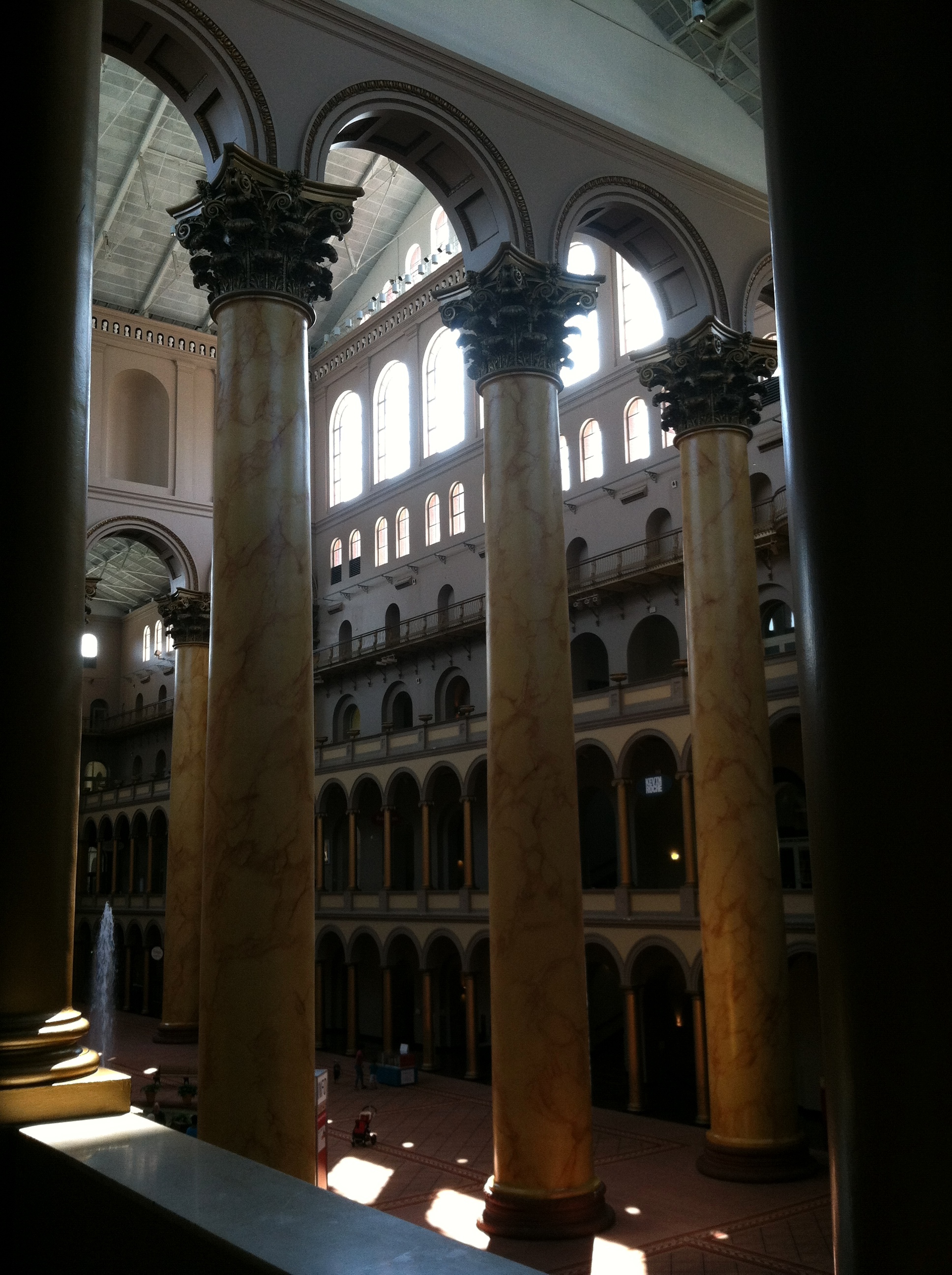
The interior of the building is dominated by a grand central space, the Great Hall. Measuring 116 x 316 feet, the Great Hall features a central fountain and is divided into three courts by two screens of four colossal Corinthian columns—among the tallest classical columns in the world.

As hard as it was to drag ourselves away from the grandeur of the Great Hall, our first stop, the House & Home Exhibit, was well worth it. This “kaleidoscopic array of photographs, objects, models, and films that takes us on a tour of houses both familiar and surprising, through past and present, challenging our ideas about what it means to be at home in America.” We came away from the exhibit with brains churning with ideas of how to use and display our unique collection of construction artifacts here at Menokin.

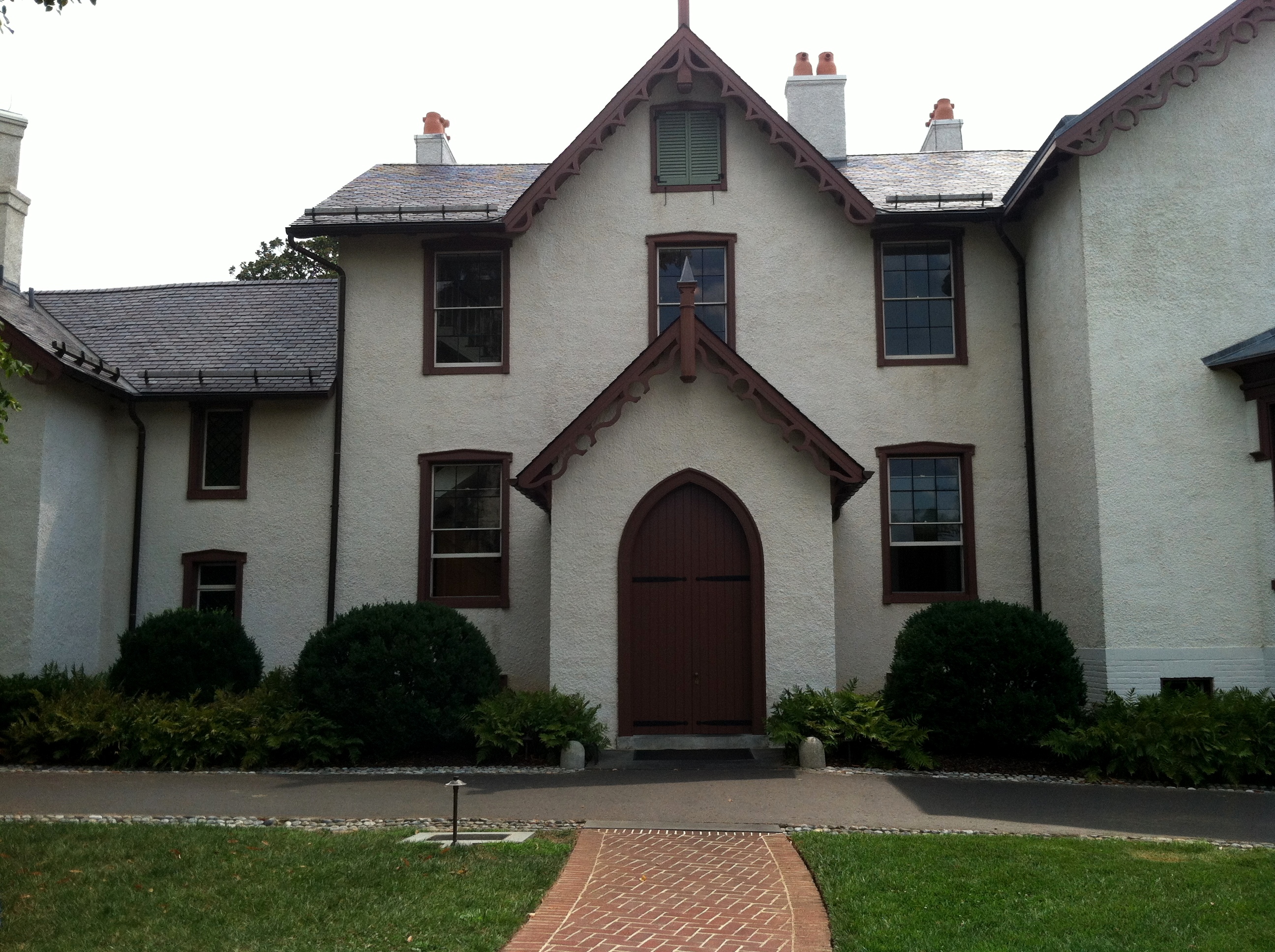
After a quick lunch in Chinatown (just a few blocks away), we headed up to President Lincoln’s Cottage at the Soldier’s Home three miles north of downtown. Founded in 1851 as a home for retired and disabled veterans of American wars, the Soldiers’ Home stands on 276 acres atop the third highest area in the District of Columbia.

The tour focuses largely on the time that Lincoln spent at the Cottage during his presidency. The story is told by a tour guide in a friendly, conversational manor, with lots of questions directed at the audience.  The house itself is very stark. Little or no furnishings occupy the large rooms. There is not a great sense of the people that lived there, but the use of recorded actors recounting stories, reading letters and holding conversations in each room does lend insight to the kind of life that the Lincolns had there.

Both places are well worth the visit.

Go Wild!

Over half of the Menokin Foundation’s 500 acre property is part of the Rappahannock River Valley National Wildlife Refuge. The extremely active and dedicated Rappahannock Wildlife Refuge Friends would like to invite you to participate in their annual Go Wild! event on Sunday, October 14th1-5 p.m.

This year’s event celebrates the 16th Anniversary of the Rappahannock River Valley National Wildlife Refuge with the Rappahannock Wildlife Refuge FRIENDS. 

The event takes place at the Hutchinson Tract, 1.5 mi. north of Tappahannock off Highway 17N, and includes numerous activities including a silent auction, kayak trips, a guided eagle tour, beach jewelry, pistol lessons from Romi Klear, signed prints, rain barrels, books, and more! Please note: the silent auction closes at 4 p.m.

Events:  Kids “Birds and BinocularImages” scavenger hunt, adults and young adults scavenger hunt, nature walks, arts and crafts, storytelling, wildlife painting, build a birdhouse, free raffles.  Music by Ben Eberline.

FREE LUNCH!  Hot dogs, baked beans, cookies, cider and lemonade.

For more information, call 804-366-6851.

Sunday, October 14th, 10 a.m. – 12 noon – Guided kayak/canoe tour led by Gordon Page at the Mt. Landing Creek kayak/canoe launch on the Hutchinson tract of the Rappahannock River Valley National Wildlife Refuge, 1.5 mi. north of Tappahannock off Highway 17N. Bring your own kayak or canoe.  Must wear life vest.  For more information, call 804-366-6851.